Durai – Director, Writer, Producer – Official Website

Biography

Durai (often known as 'Pasi' Durai) was an acclaimed Indian film writer, director, and producer known for his unique film-making style often exploring unconventional themes and structures, with a strong focus on social issues and human experiences, particularly women-centric subjects like his National Award-winning film Pasi (1979).

He directed approximately 46 films and contributed to several more across roles in writing, editing, and production. A key figure in Tamil cinema, his directorial reach also spans Kannada, Telugu, Malayalam, and Hindi films, showcasing his versatility across languages. He received the prestigious "Kalaimamani" title from the Tamil Nadu government in 1982 for excellence in the arts. Durai's work continues to resonate for its ability to both reflect and challenge the societal norms of his time.

Director, writer, producer Durai, born on February 25, 1940, in Palayamkottai, Tirunelveli district, Tamil Nadu-India, began his journey in cinema under the mentorship of director Dasari Yoganand. There he absorbed the technical intricacies of filmmaking, that helped him graduate as a successful writer, director and producer in the course of his career.

Full width sample image
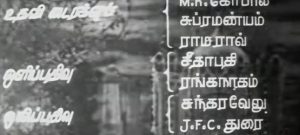
First credited sound assistant

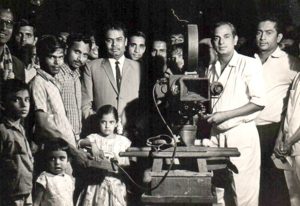
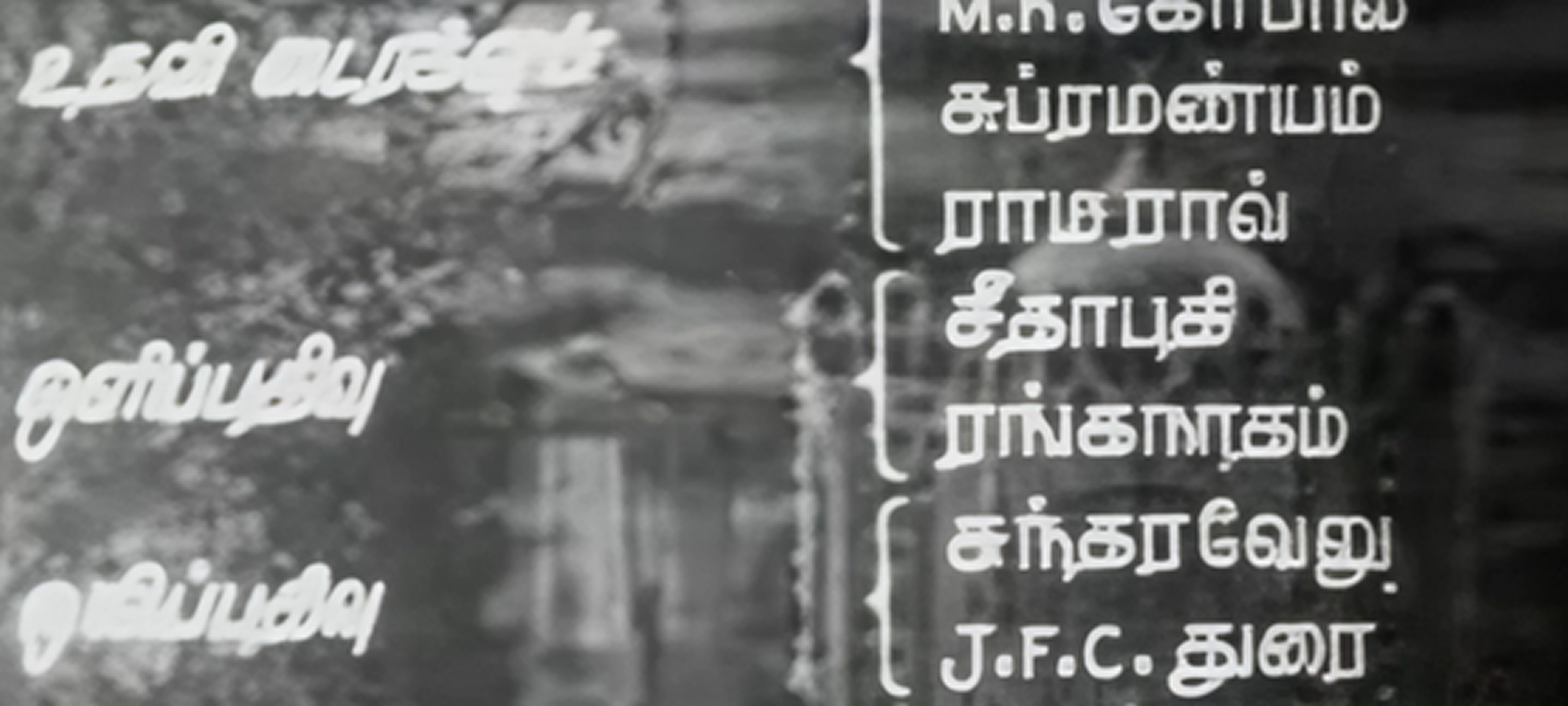
Durai’s early years were shaped by hands-on learning—working as an apprentice at Revathy Recording Theatre with sound engineer T. S. Rangaswamy. His early stint as an assistant cameraman, and his training in editing under V. S. Rajan built a solid foundation for his craft. Durai’s first taste of recognition came when his name, credited as J.F.C. Durai, appeared on screen for the sound recording assistance in Anarkali (starring Nageswara Rao and Anjali Devi). With pride, he gathered friends and family to witness it, marking the beginning of a journey that would later establish him as a distinguished writer, director, and producer in Indian cinema. 

Full width sample image
Early years as an assistant in Kannada movies

It was during this formative period that destiny brought Durai face-to-face with Kannada actor Kalyan Kumar, who was captivated by the stories Durai narrated. The young Durai, armed only with his passion and an instinct for storytelling, would often narrate the stories that burned within him. Recognizing his potential, Kalyan Kumar introduced him to the legendary ‘Kannada Bhishma’ G.V. Iyer. Under Iyer’s mentorship, Durai began his journey as an assistant director. His first assignment was on the Kannada film ‘Bangari’, where he immersed himself in the rhythms of filmmaking—watching, learning, and absorbing every nuance of craft—an experience that further refined his cinematic vision.

Full width sample image
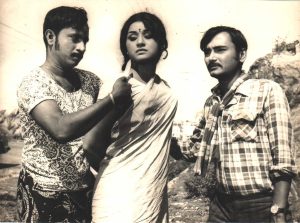
Durai as a villain in a Kannada movie

As an assistant director under G.V. Iyer, was a period of invaluable exposure, granting Durai to work alongside some of the biggest names in Kannada cinema during the late 1960s, including Dr. Rajkumar, Kalyan Kumar, and Udaykumar. Durai’s creative spark, however, could not remain behind the scenes for long, as the experience quickly translated into his major writing credit. In 1968, he penned the story for Kannada superstar Rajkumar’s landmark 100th Film Bhagyada Bagilu – Door of fortune. The film’s story was widely lauded, earning significant appreciation from both the press and the public.

Beyond his work with G.V. Iyer, Durai expanded his career by collaborating with other leading Kannada directors over the course of more than 10 years. His extensive list of professional associations included renowned names such as Puttanna Kanagal, Geethapriya, and Arasu Kumar. Interestingly, while serving as an assistant director, Durai even stepped in front of the camera, taking on a villain’s role in one Kannada film – an art he had once dreamed of and which initially inspired him to join the film industry. 

A few of his stories have been adapted and filmed in Kannada as well. Some of his works as a story writer during this period include Miss Bangalore (1967), Anna Thamma (1968). His reputation as a sharp storyteller eventually reached across state borders. Recognizing his talent, the veteran actress Pandaribai and her husband, Ramarao, took notice of his potential. It was through their crucial introduction and endorsement that Durai made his significant entry into the highly competitive Tamil Film Industry.

Full width sample image
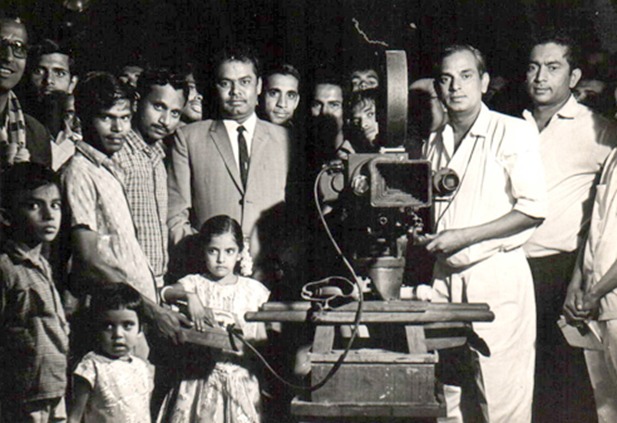
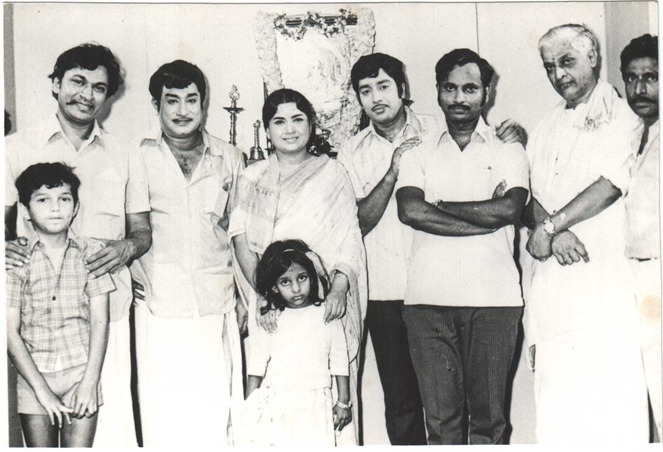
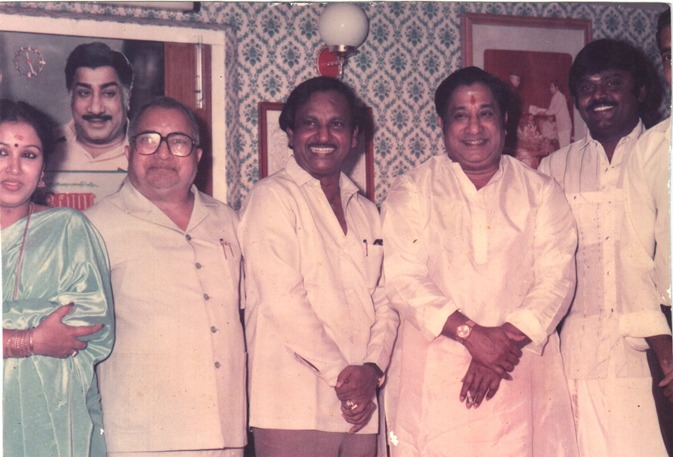
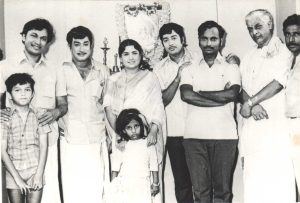
During the inaugural ceremony of 'Avalum Penn Thane'

Durai’s long-awaited entry into the Tamil film industry finally arrived in 1974 with Avalum Penn Thane, a film he both wrote and directed. The story was a tragic portrayal of an orphaned woman rescued from a vice den, who ultimately takes her own life, unwilling to sacrifice her dignity or burden the man who offered her redemption. The film immediately attracted critical attention as one of the stronger mid-70s commercial works engaging with the feminist movement. Durai, making his directorial debut, earned praise for his sharp handling of a purposeful story—underscore the harsh realities that trap women into prostitution. The film’s success, applauded by both the press and the public, was not merely a breakthrough, but a major turning point that firmly established his reputation as a filmmaker committed to challenging social narratives.

Durai redefined the feminist movement in Tamil cinema by consistently creating a distinctive formula around strong, expressive female characters. This theme, with strong female-centric narratives, became a defining hallmark of his filmmaking, evident in films such as Oru Kudumbathin Kathai (1975), Mugiyade Kathe (1975), Maathangalil Aval Marghazhi (1976),

Full width sample image
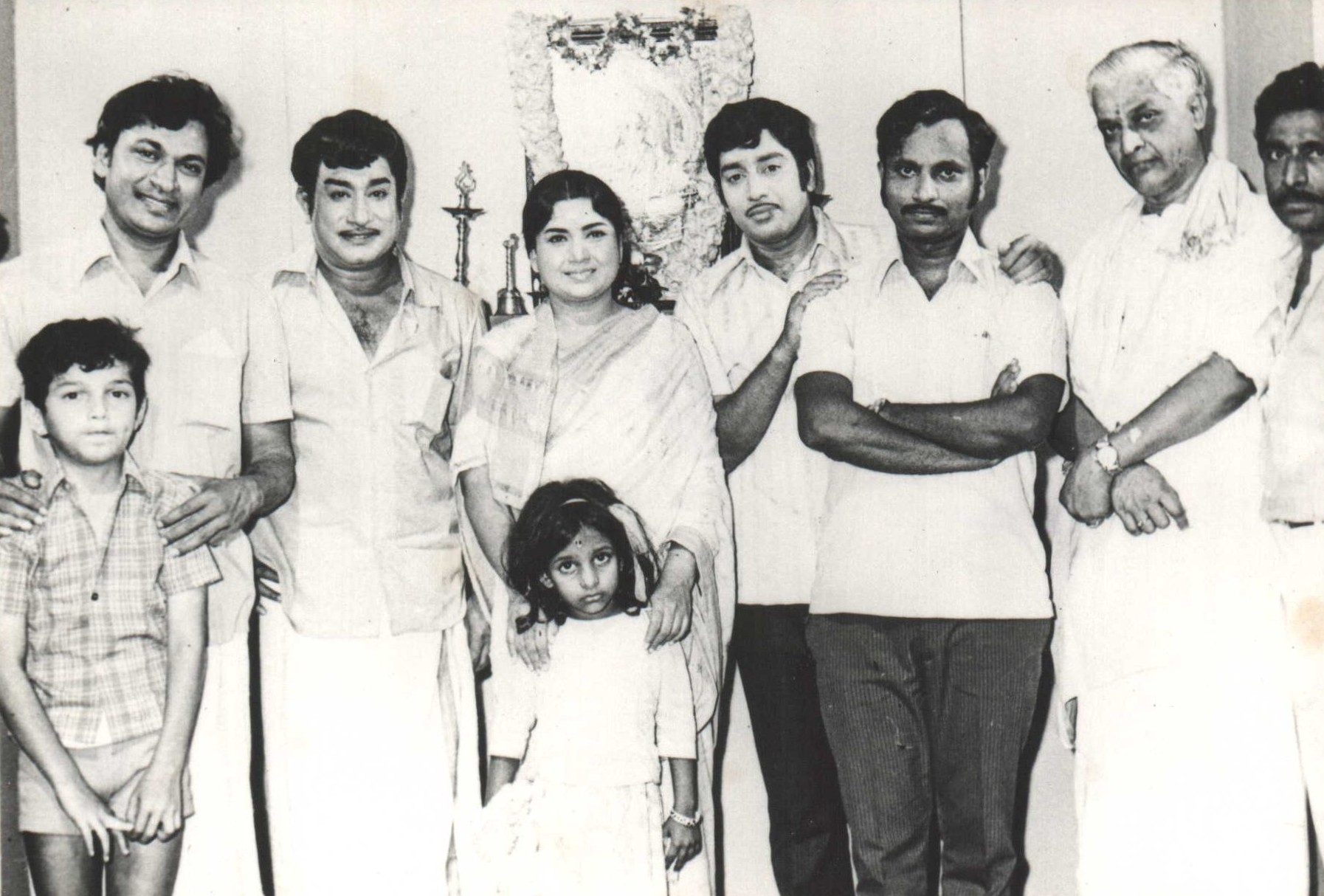
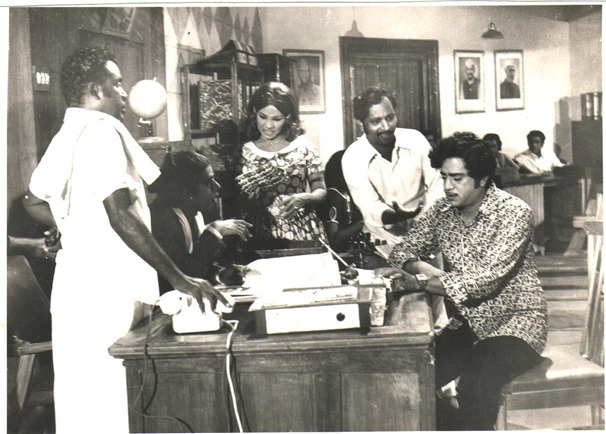
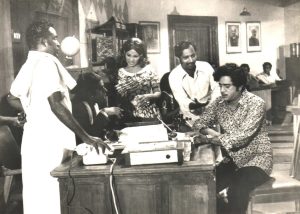
On the sets of 'Oru Kudumbathin Kathai'

Aasai ArubathuNaal (1976), Aval Thantha Uravu (1978). Each of these films portrayed women as central figures navigating social and familial challenges, often questioning traditional customs. Notably, the Kannada film Mugiyada Kathe (1975) starring Rajesh and Sumitra as lead, was a remake of his debut Tamil film, Avalum Penn Thane, solidifying his reputation as a director in the Kannada film industry. 

In Oru Kudumbathin Kathai, he portrayed how money dictates relationships, and how poverty pushes women into painful circumstances, making viewers question the fragility of family bonds. The film Aasai Arubathu Naal was consciously built on “four interwoven story threads”, indicating a complex, non-linear dramatic approach.

Full width sample image
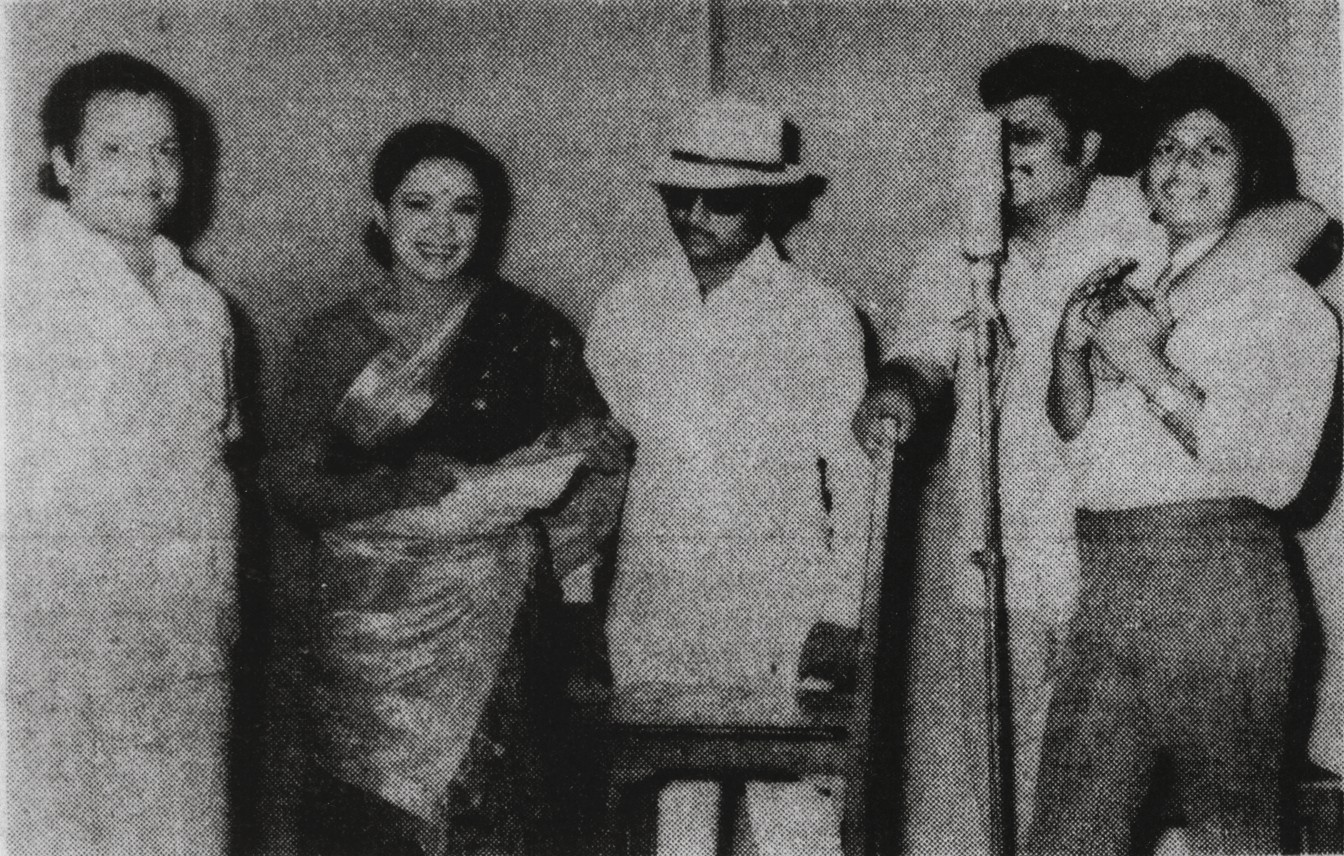
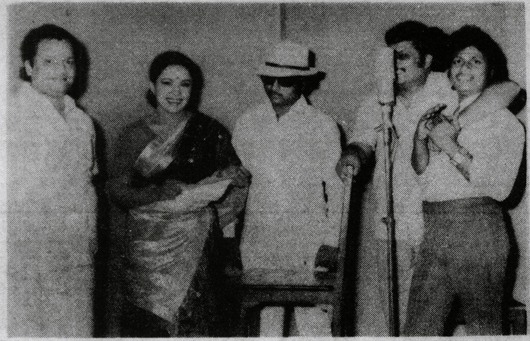
During song recording of 'Paavathin Sambalam'

In 1977, Durai directed Raghupathi Raghavan Rajaram and in 1978, Paavathin Sambalam which saw Rajinikanth (later hailed as the ‘Superstar’) making notable guest roles in both movies. The way Durai introduced the characters in the film Raghupathi Raghavan Rajaram was highlighted as particularly effective and earned significant praise for his ability to handle the story with speed and style, keeping the audience engaged without sacrificing clarity. Paavathin Sambalam is a dramatic film that explores the devastating ripple effects of sin where Rajinikanth appears in a guest role as a writer who is documenting the female lead’s sorrowful story.

Full width sample image
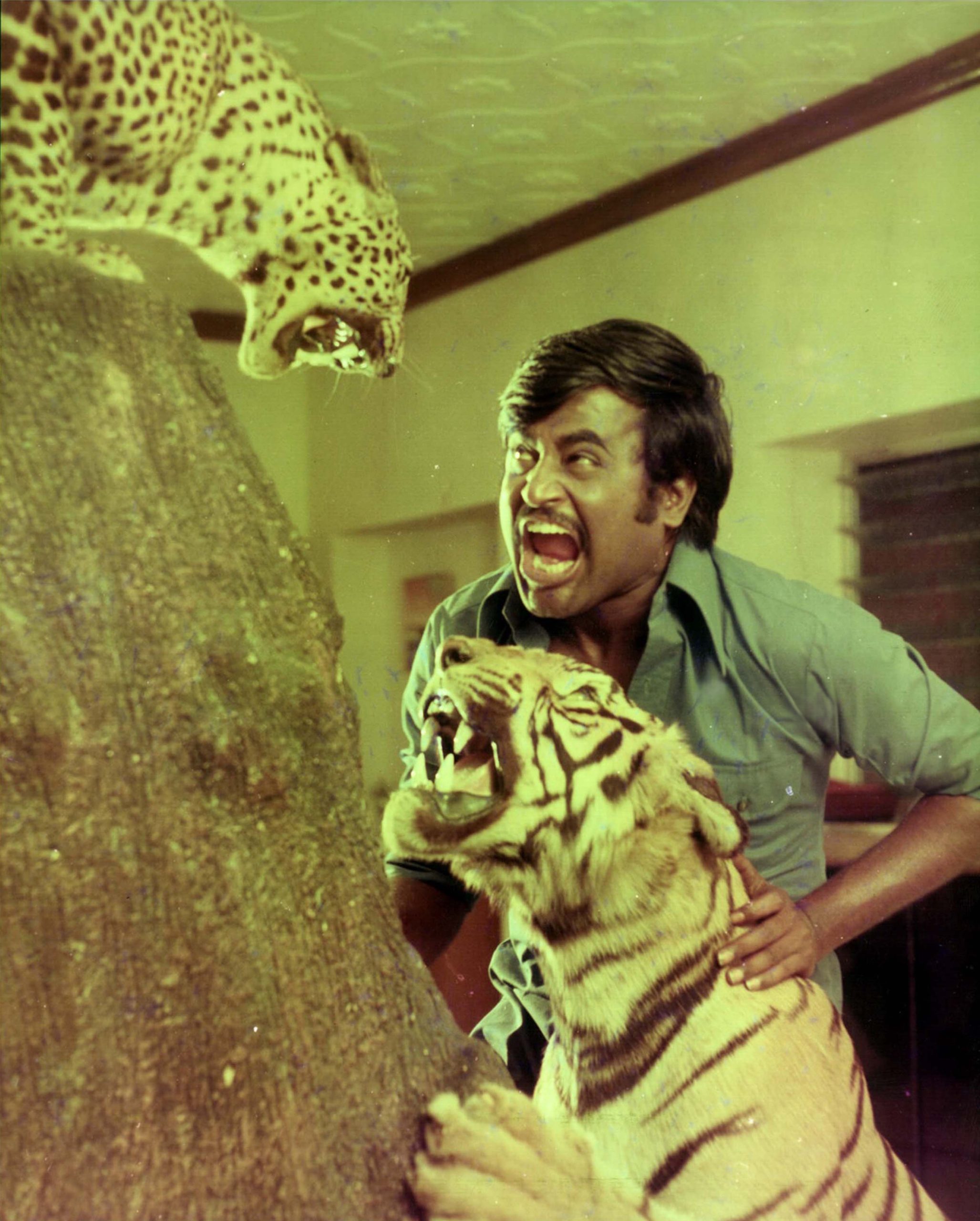
A still from 'Aayiram Jenmangal'

The year 1978 was particularly significant for their collaboration, as Durai cast the superstar in lead roles for two more films Sadurangam, a role he played as an innocent man and in Aayiram Jenmangal, a horror film adapted from the Malayalam movie Yakshaganam. Notably, Sadhurangam’s story and dialogues were penned by Visu. A defining aspect of Sadhurangam lies in its portrayal of strong female characters—a rarity in Tamil cinema of that era. The film weaves together romance, drama, and social commentary into an engaging narrative. The lead performances stand out, particularly that of Rajinikanth, who, though still in the early stages of his career, delivered a commendable act. When Durai took on Aayiram Jenmangal in 1978, he was not content to merely repeat what had already been done in the supernatural genre. Having seen Sheela’s Yatchakanam, which covered similar territory, Durai boldly chose to tread a different path. His vision was not just to create suspense and thrills, but to use the story as a canvas to explore faith, morality, and the eternal conflict between the human spirit and divine will. One of the most remarkable choices Durai made was in his casting. At the time, Rajinikanth had built his reputation almost entirely on playing menacing villains. Defying industry convention, Durai entrusted him with a character role that demanded subtlety and emotional range. The climax of Aayiram Jenmangal further set the film apart. Where Yatchakanam ended on a darker note, Durai shaped a conclusion that affirmed the supremacy of divine power over wandering spirits.

Full width sample image
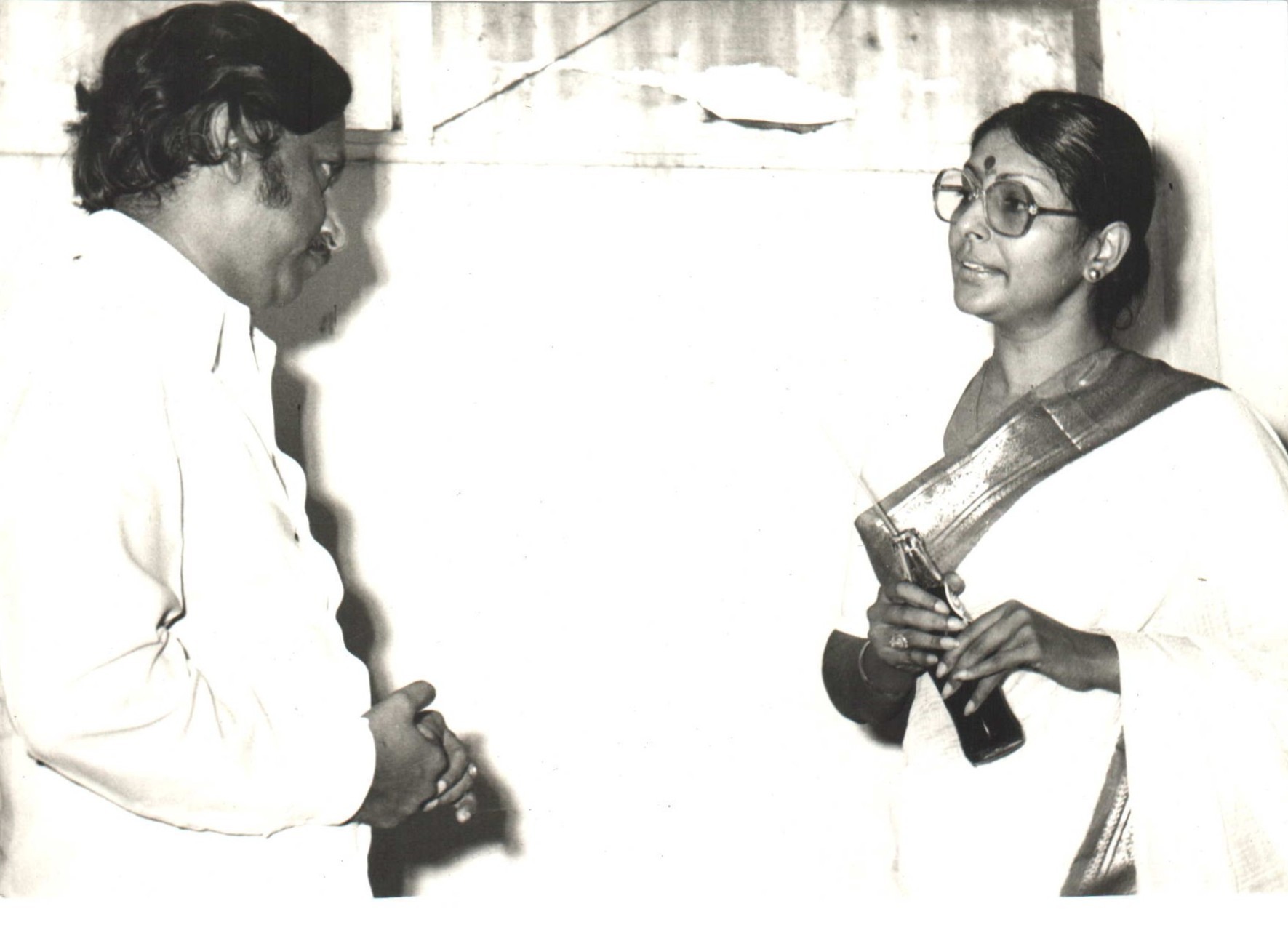
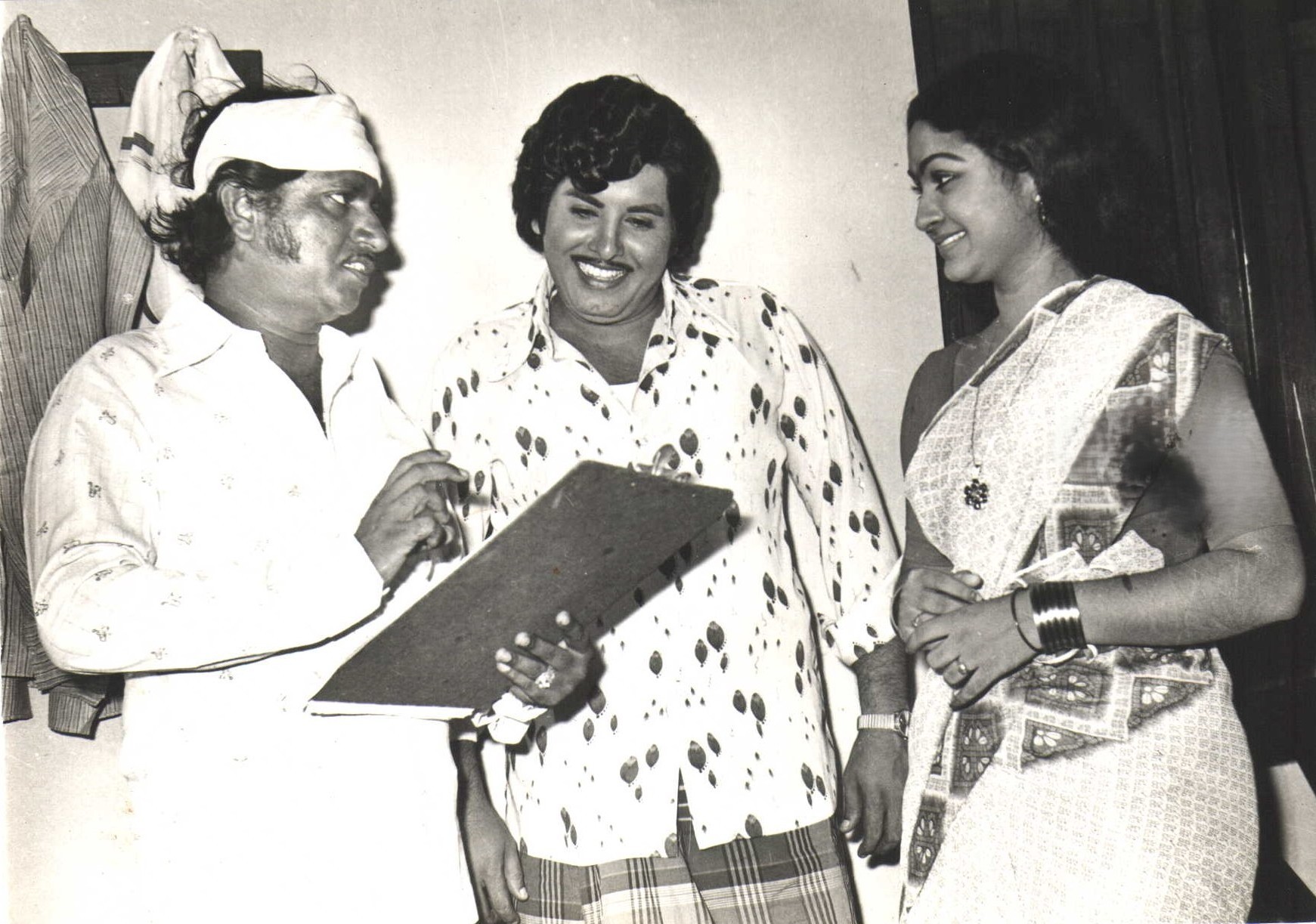
Durai with actress Sarada

Aval Thantha Uravu in 1978 featured Sarada (Urvasi Sarada) and R. Muthuraman in the lead roles. Impressed by Durai’s work in the movie, actress Sarada recommended him for a Telugu project, which led to his directorial debut in the Telugu film industry with Priyabhandhavi in 1979. In Aval Thantha Uravu, the story revolves around the emotional dynamics and relationship (maternal bond) that Sarada offers to her sister-in-law, rather than just the husband-wife relationship. It unfolds an emotional domestic drama exploring family affection, trust, and the delicate boundaries of relationships within a household.

Full width sample image
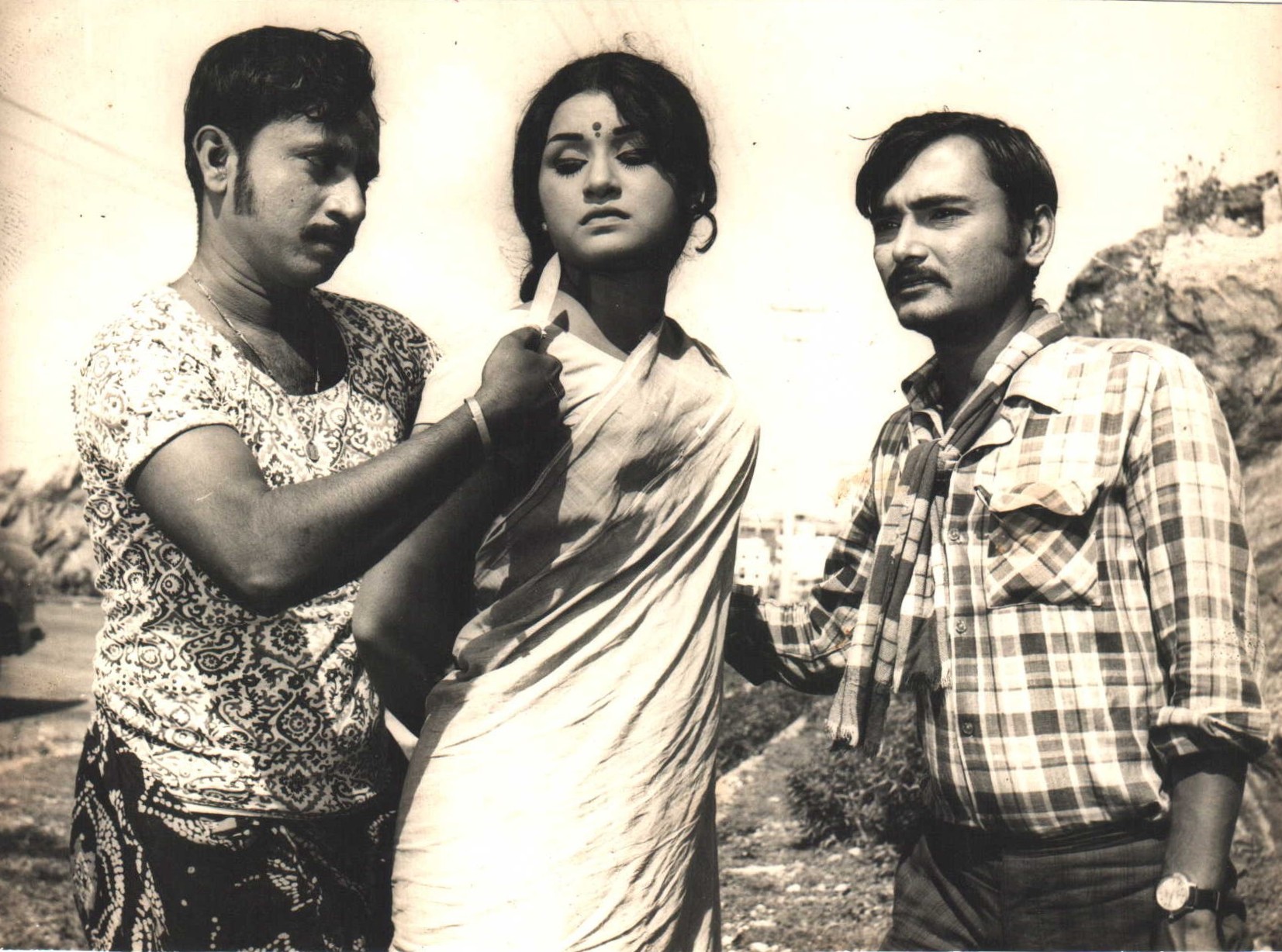
A still from 'Oru Veedu Oru Ulagam'

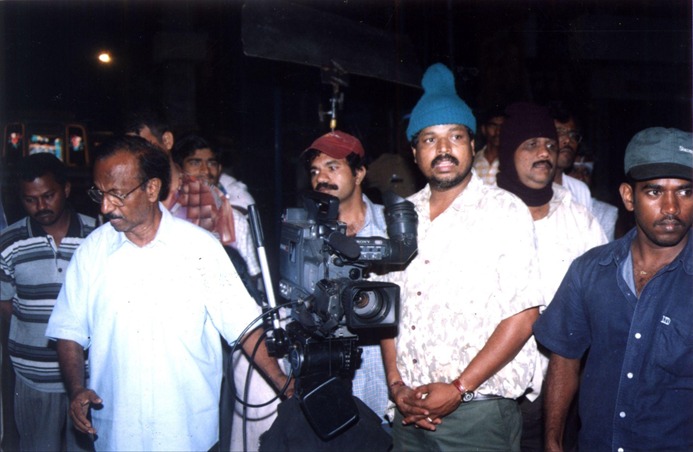
Durai handled a very difficult and sensitive subject with remarkable care in Oru Veedu Oru Ulagam (1978), a story penned by his wife G. Lalitha. The film projected the changing values of life in modern times, directly challenging caste barriers and orthodox traditions. Durai has presented this story with Shoba and Srikanth playing the principal characters with an impressive frame of poignancy. The film later emerged as one of his finest works, marking a milestone in Tamil cinema. Boldly ahead of its time, the film critiqued rigid caste hierarchies while also advocating for women’s rights to education and remarriage. While remarriage had been advocated in several films, Durai presented the theme with radical new layers. He boldly depicted a widow’s remarriage being personally initiated and presided over by her own father-in-law. Beyond the thematic daring, Oru Veedu Oru Ulagam stands as a testament to Durai’s efficiency and dedication to cinematic realism. He shot the entire film in a staggering fifteen days, capturing the entire narrative in a “single breath.” The production was conducted entirely on exterior locations, avoiding traditional sets. To achieve this raw, immediate feel, Durai implemented a “no-frills” approach: none of the actors wore makeup, and the crew abstained from using cumbersome equipment like trolleys, tracks, or excessive lighting gear—a daring move that focused purely on performance and the authenticity of the setting. The film utilized the natural beauty of locations near Thanjavur, including Thirukkattupalli, Palamaaneri, and Poondi.

Full width sample image
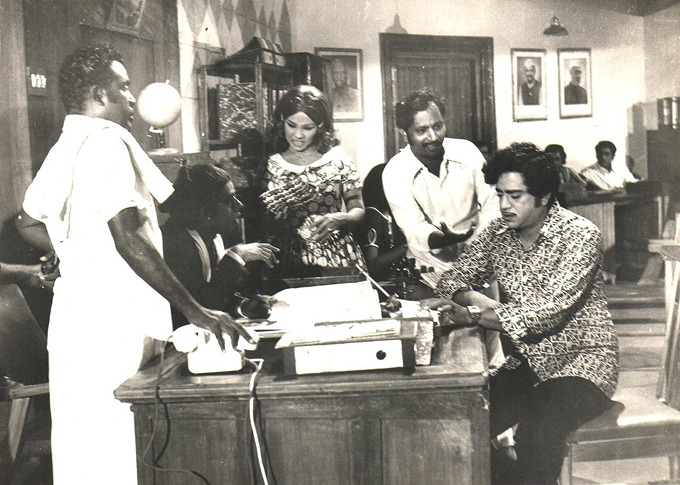
On the sets of 'Kadamai Nenjam'

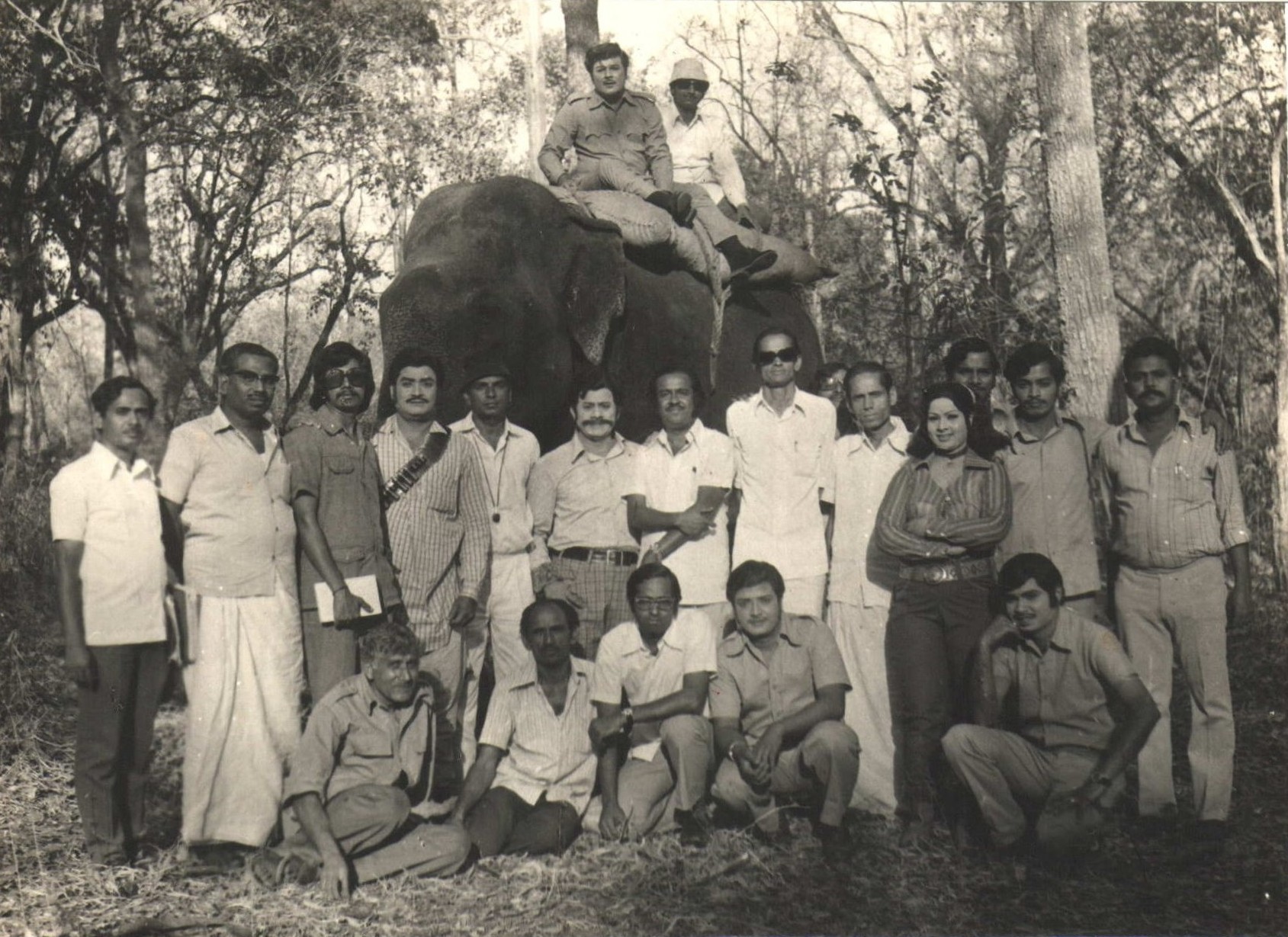
Durai’s strength as a storyteller lay in his willingness to expose the stark realities of life without compromise. This powerful and direct approach to filmmaking, coupled with his reputation for delivering profitable films on a tight schedule, turned him into one of the most sought-after directors of the late 1970s. This efficiency resulted in him directing as many as seven to eight movies in the year 1979 alone.

Kadamai Nenjam in 1979 featuring Jaishankar and Srividya centers on a forest ranger whose life spirals into chaos when his personal and professional worlds collide. Kadamai Nenjam holds the unique distinction of being Director Durai’s absolute first venture as a director, even though the film was released later in his career. Despite its delayed release, the film was noted for its enduring relevance and engaging quality, demonstrating that even Durai’s earliest directorial efforts possessed the kind of compelling storytelling that would mark his later career.

Full width sample image
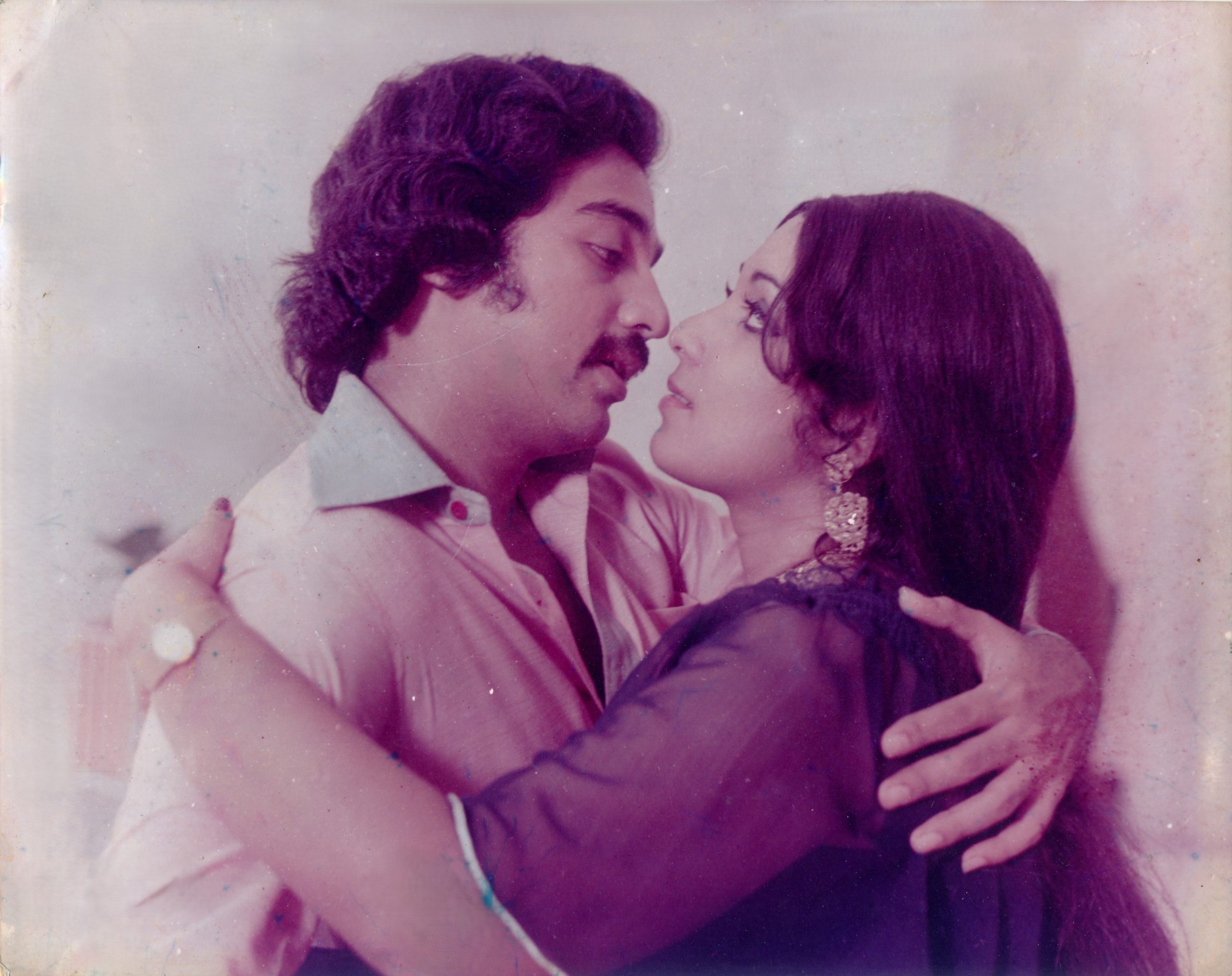
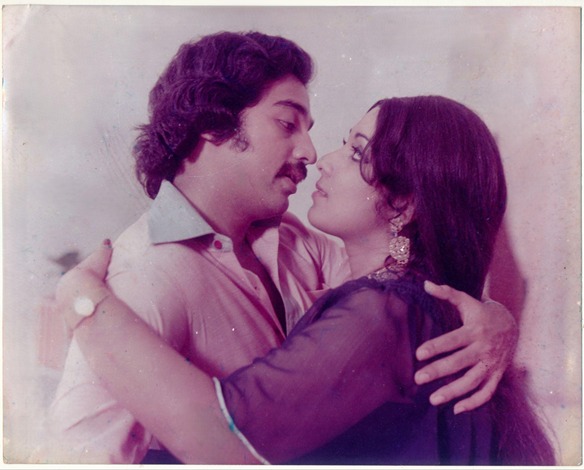
A still from 'Neeya'

Neeya? 1979 (remake of Nagin, Hindi), another horror film more of a supernatural thriller starring Kamal Haasan and Sripriya in the lead roles, is about an ‘Ichchhadhari’ Snake (a shape-shifting female serpent) that avenges the death of its beloved male serpent. Durai demonstrated exceptional logistical and creative mastery by directing Neeya?—a colossal multi-starrer featuring a massive ‘star brigade’ of actors, a feat considered nearly impossible in an era where major stars were already busy for their tight, fragmented schedules. The film’s producers were commended for their audacious effort, and Durai managed to successfully coordinate and direct this unprecedented collaborative cast. Critics praised his staging, noting how even potential flaws in the story were overshadowed by the excitement of his execution. The movie was a huge hit at the box office. 

In 1979, Durai started making commercial films with sentimental themes due to the practical compulsion to meet life’s demands. He realized he had to make commercially viable films that could still communicate impactful messages. His prolific output that year included films such as Needhikku Mun Neeya? Naana?, Paathai Maarinaal, Malligai Mohini, Priyabhandhavi.

With Paathai Maarinal, Durai tackled a complex and morally ambiguous theme: the simultaneous transformation and reversal of two contrasting cricket players—one a pleasure seeker driven by physical desire, the other a devotee seeking spiritual salvation. He skilfully utilized real-life cricket stars like Viswanath, Venkat, and Kirmani in the film, blending authentic sporting appeal into the narrative.

In Malligai Mohini, Durai demonstrated a significant shift in subject matter, taking a different path from conventional cinema. The film was praised for its unique concept, centering on the confusion that arises when a living man gains the memory and consciousness of his previous life. The plot, authored by Nathan, was novel for Tamil film audiences at the time. Durai’s courage extended beyond the story. Rather than banking on familiar stars, he introduced two newcomers—students from the Pune Film Institute—giving them a platform to perform. Visually too, Durai collaborated with celebrated cinematographer Ishan Arya, who captured the beauty of Goa in dazzling detail.

Full width sample image
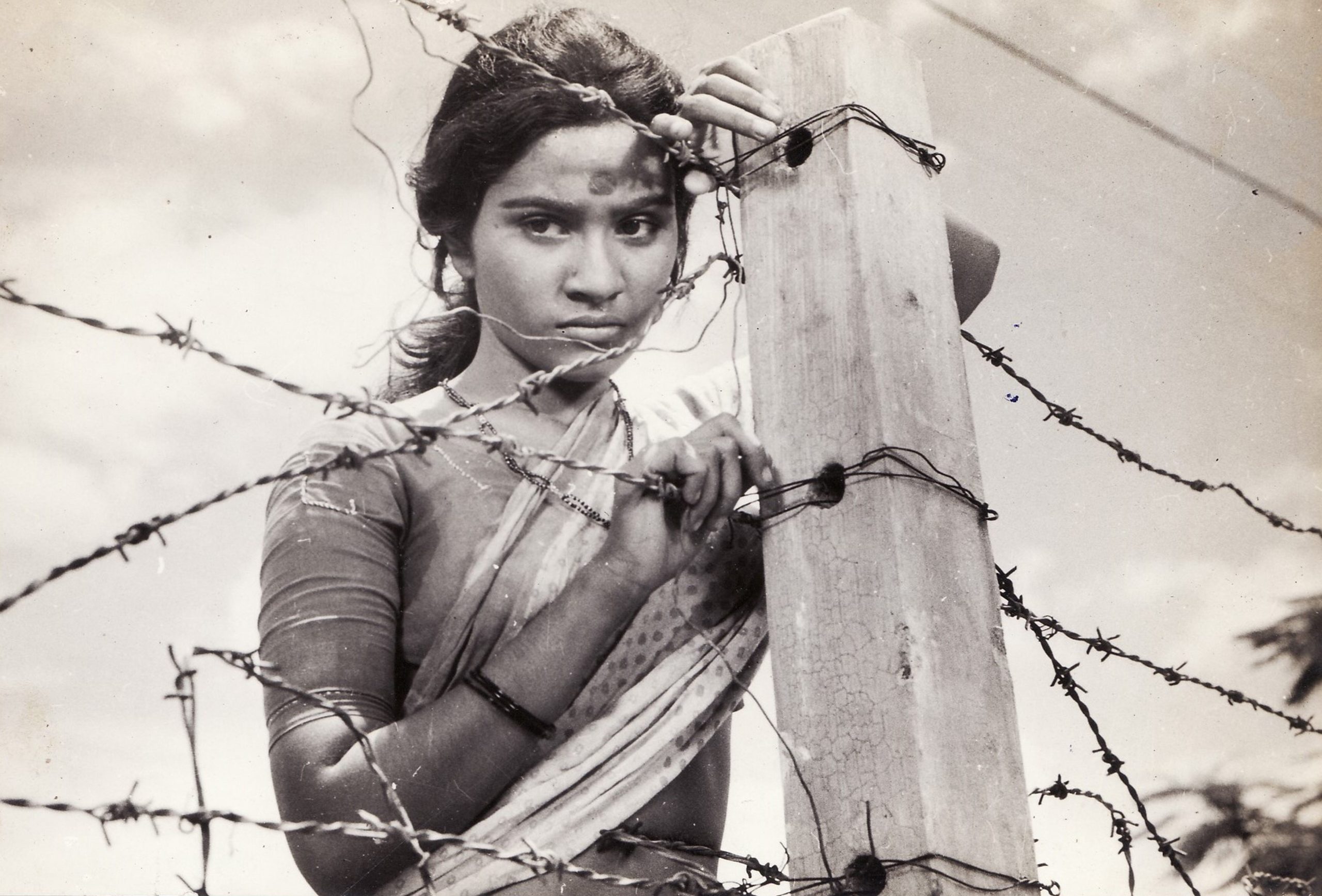
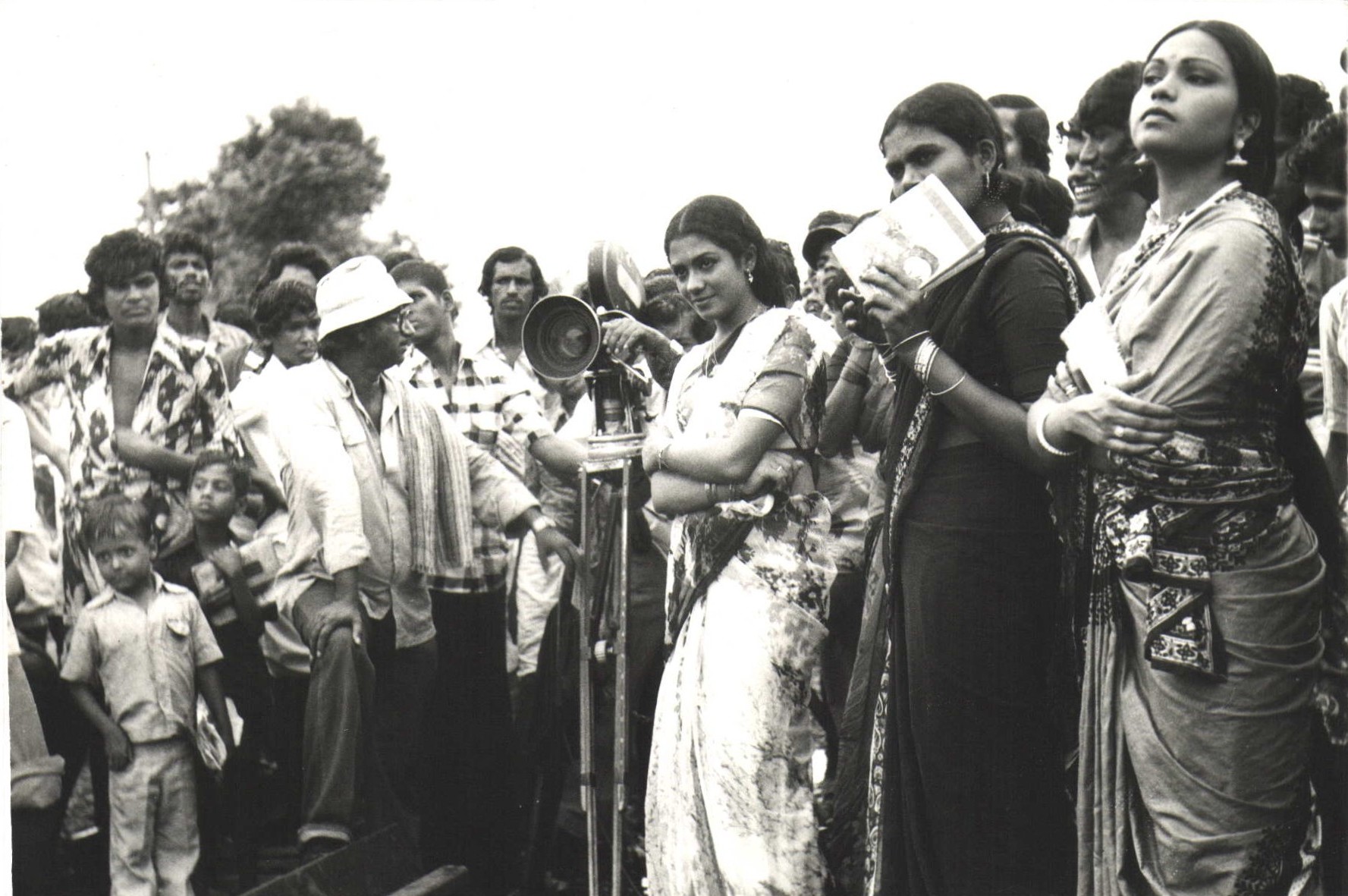
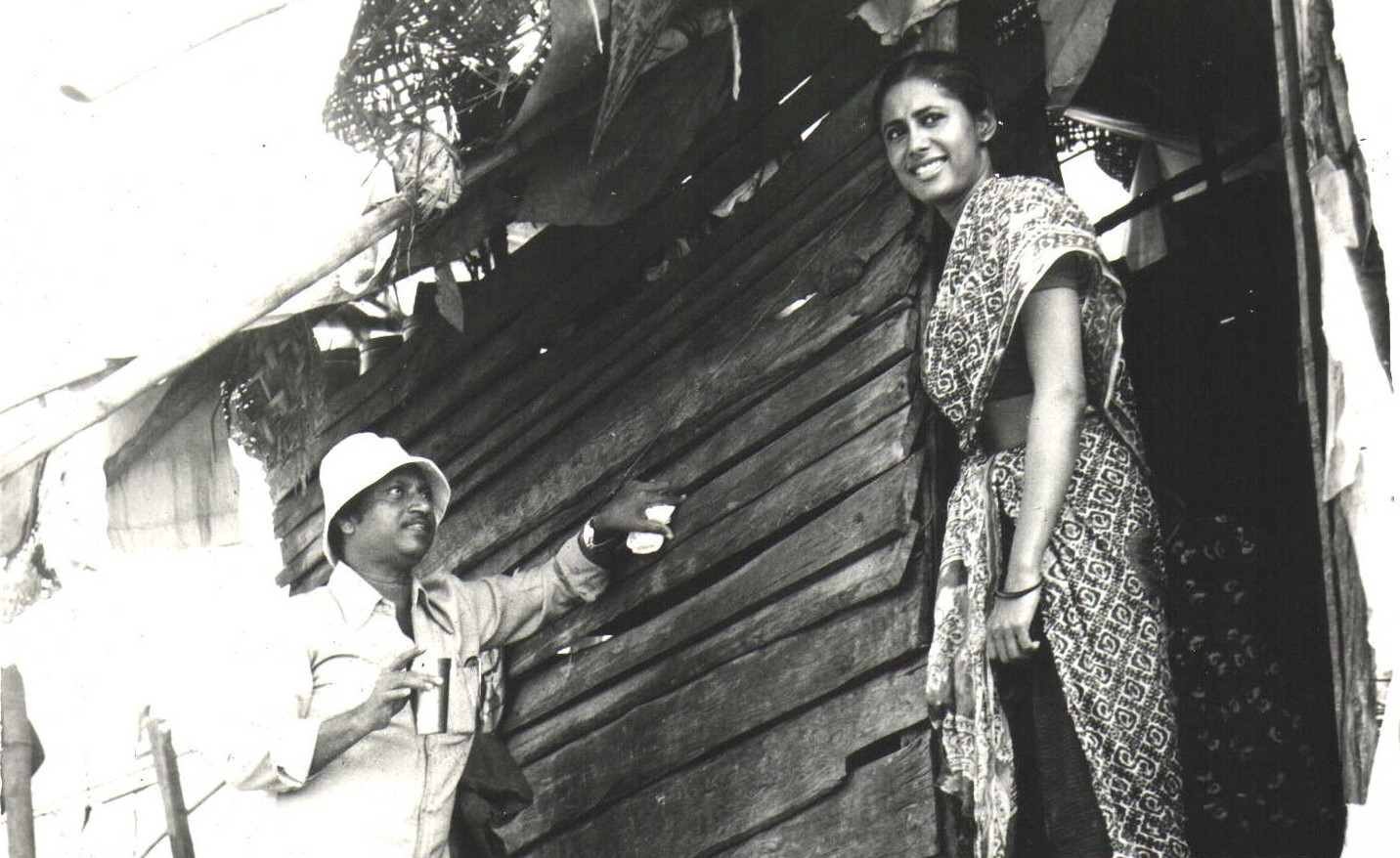
A still from 'Pasi'

As the year 1979 drew to a close, Durai reached a new level of success with the release of Pasi, a film that went on to become a landmark in Tamil cinema. The film, which presented the realistic portrayal of the plight of slum dwellers running on daily wages, was the winner of 2 National Film awards in 1979—Best Feature Film in Tamil and Best Actress—and secured multiple honors at the Tamil Nadu State Film Awards and the Filmfare Awards South. Determined to make Pasi without compromise, Durai declared that he would not bow to distributor pressures of including formulaic songs, dances, or fight sequences. Instead, he chose raw authenticity—no makeup for his cast, no glamour, just real people and their struggles. Most of the film was shot on the streets and in the slums of Chennai, with remarkable cooperation from the local communities. In 1980 the movie was also screened at the Tashkent Film Festival (Soviet Union) and was equally successful at the box office. Durai’s commitment to raw, socially resonant narratives paid off not only critically but commercially, achieving significant success abroad. Pasi became a box office phenomenon in both Singapore and Malaysia, where it ran successfully for over 50 days. Notably, the movie set a new standard for collections in that region, reportedly becoming the highest-grossing film after the mega-hit, Ulagam Sutrum Valiban. 

In 1980, Kaadu, directed by Durai, told the story of a forest officer, played by Sathaar, who steps into a world ruled not by law but by age-old superstitions. The tribal community living there is bound by rituals and customs that often turn destructive, shaping their lives with fear and blind faith. The story and dialogues were penned by lyricist Alangudi Somu.

Maria My Darling (1980) a commercial action thriller starring Kamal Hassan and Sripriya, was a bilingual film directed by Durai. The movie was shot in Bangalore, simultaneously in Kannada and Tamil, and released under the same title.

With Engal Vathiyar in 1980, Durai once again proved his ability to blend heartfelt social themes with powerful cinematic storytelling. The film is a story of a humble and poor schoolteacher played with extraordinary depth by Nagesh, who struggles to gather a dowry for his daughter’s marriage to a wealthy landlord’s son, and is pulled into a web of deception and betrayal. Durai’s direction extracted remarkable performances from the cast. Nagesh, usually known for his comedic flair, astonished audiences with his emotional range, moving viewers to tears in tragic moments and making them laugh in lighter ones. What stood out most was Durai’s ability to avoid unnecessary distractions and instead craft a story that felt like real life unfolding on screen—making audiences laugh, cry, and reflect on the dignity of a simple teacher’s life. The film received Tamil Nadu state government subsidy as a socially commended film. Notably, the film was remade in Malayalam as Guru Dakshina in 1983, directed by Baby.

Durai has always had an eye for discovering fresh talent, something that contributes to the success of his films. He continued his success formula with female-centric characters in films like Pennukku Yaar Kaaval? (1980), Thanimaram (1980), Porkkalam (1980), Oli Pirandhadhu (1980). Though these movies did not create waves at the box office, these films stand out for their courageous experimental themes.

Pennukku Yaar Kaaval? was the Tamil remake of the widely acclaimed Telugu play and film ‘Chillara Kottu Chittamma’, which had enjoyed a remarkable run of over 225 days and gained a reputation as a famous play throughout Andhra Pradesh. The project was entrusted to Durai by producer R. S. Raju, who was impressed by his ability to shoot with remarkable speed and efficiency. For this adaptation, Durai cast Jayachitra in the lead, encouraging her to appear naturally without heavy makeup, which brought authenticity to her performance. Interestingly, the role had once been sought after by Jayachitra’s mother, Jayasree, during the play’s early years, making the casting even more significant.

Thanimaram was about a poor woman who lives her life with dignity, like a fire, amidst the men who desire her beauty. Durai, was praised for his beautiful portrayal of the main characters, Vijayan and Sathyakala, and for maintaining the integrity of their personalities. Acclaimed as a filmmaker on par with the legendary K.P. Kottarakkara (Pasamalar), Durai’s collaboration with him on Thanimaram was a highly anticipated event, cementing his reputation as a director of profound and moving storytelling. 

In Oli Piranthathu, Durai crafted a unique protagonist (played by Vijayan)—a car driver whose life revolved around transporting corpses, falls in love with a Kalyani (played by Menaka), who comes to stay in his neighbourhood. But his dream shatters when he comes to know that she is already married to an old man. The story was scripted by Vijayan and Produced & directed by Durai.

Full width sample image
On-location Shoot of 'Porkkalam'

Porkkalam starring Vijayan, M.G.C. Sugumar and Sathyakala is a depiction of rural power dynamics, showing the harsh realities of corruption. Despite the film’s uneven reception, Porkkalam reaffirmed Durai’s fearless engagement with uncomfortable social themes.

Aval Oru Kaviyam released in 1981, Durai once again demonstrated his boldness in addressing sensitive and taboo subjects within Tamil cinema. The film tells the poignant story of a compassionate woman (played by Savitri) who runs a charitable trust, and the haunting revelations that surface when her son marries Vani, one of the beneficiaries of the trust. Both women are bound by the scars of past sexual violence, and Durai’s sensitive handling of such a layered narrative brought depth and dignity to a theme rarely explored on screen at the time. The film is remembered for its emotional intensity, strong female characterizations, and its fearless social commentary.


Full width sample image
Filming Moment of 'Kilinjalgal'


Mayil in 1981 starring Rajesh and Roopa was a unique film that Durai wrote, scripted, and directed, is a story centering the lives of road construction workers. The protagonist, Mayil, is portrayed as a unique woman who struggles to arrange a wedding for her mother and even claims her mother’s child as her own to protect her reputation. 

Durai directed Vadagai Veedu in 1981 starring Vijayan, Sathyakala and Suman, is a drama of redemption, loss, and an unusual emotional bond between two broken lives.

Durai, often regarded as a filmmaker focused solely on social themes, silenced his critics with the release of Kilinjalgal – a romantic film released in 1981, achieved monumental success despite its seemingly familiar love story. Its appeal lay in its understated realism and emotional depth. Durai masterfully depicted the profundity of love in a way that could stir the stony hearts of parents who oppose love marriages. The film was conceived as a bilingual, shot simultaneously in both Tamil and Malayalam on the advice of filmmaker

Full width sample image
Durai with director S.A Chandrasekar

The Malayalam version, released in 1982 as Ruby My Darling, retained the main leads while featuring a slightly different supporting cast. Durai co-produced Om Sakthi in 1982, directed by S.A. Chandrasekhar, backing bold ideas like casting a trained rooster in a notable role. The bird was from Andhra Pradesh and underwent extensive training to perform its role. Om Sakthi, starring Vijayakanth and Menaka, was shot in a Kali Temple never before featured in a Tamil film at the time. With Nalandhaanaa in1982 starring Prabu and Menaka, Durai demonstrated a nuanced understanding of directing psychological drama aimed squarely at the female audience. The film’s plot hinges on a suspenseful secret: concealing the tragic death of a groom from his bride, to allow her to die peacefully believing she is still a married woman. Durai was praised for his ability to craft this suspenseful narrative around the central shock, concluding the story with a powerful, cinematic finish.

In the same year Durai produced, scripted and directed Thunai starring legendary Sivaji Ganesan (Nadigar Thilagam). The central theme of Thunai was the very idea of “companionship” — not just a life partner, but the many kinds of support one seeks and receives at different stages of life. Critics noted that Sivaji’s portrayal was measured and moving, with many seeing Thunai as an indication of the kinds of character roles that would carry him successfully into the next phase of his career. Thunai stood out as a wholesome family drama that could be watched across generations. For Durai, it was another important chapter in his journey of portraying family values, companionship, and emotional truths on screen with sincerity.

Durai’s practice of making bilingual films continued in 1982 with the movie Punitha Malar, which was an emotional love story. Yet another film with a strong portrayal of female characters. The film starring Shankar and Poornima was shot simultaneously in Tamil and Malayalam. The Malayalam version, released in 1982, is Velicham Vitharunna Penkutty. Durai, who made history in Malayalam cinema with Ruby My Darling, has once again prepared a great artistic feast with Velicham Vitharunna Penkutty for Malayalis

Full width sample image
On-location Shoot of 'Pet Pyar Aur Paap'

Following the success of Kilinjalgal, Durai was approached by producers in Mumbai to remake the film in Hindi. This opportunity led to his entry into the Hindi film industry. In 1983, he directed the Hindi remake, Do Gulab, starring Kunaal Goswami (Manoj Kumar’s son) and Maneesha Kohli, which proved to be a great success. In1984, Durai continued his work in the Hindi film industry with the release of Pet Pyar Aur Paap. The project came about when actors Smita Patil and Raj Babbar, after watching his original Tamil film Pasi, were so impressed by the story and its making that they approached Durai to direct the Hindi remake.The movie, which featured a cast of leading actors from the Hindi film industry, was well received by audiences and was considered a rare phenomenon at the time.

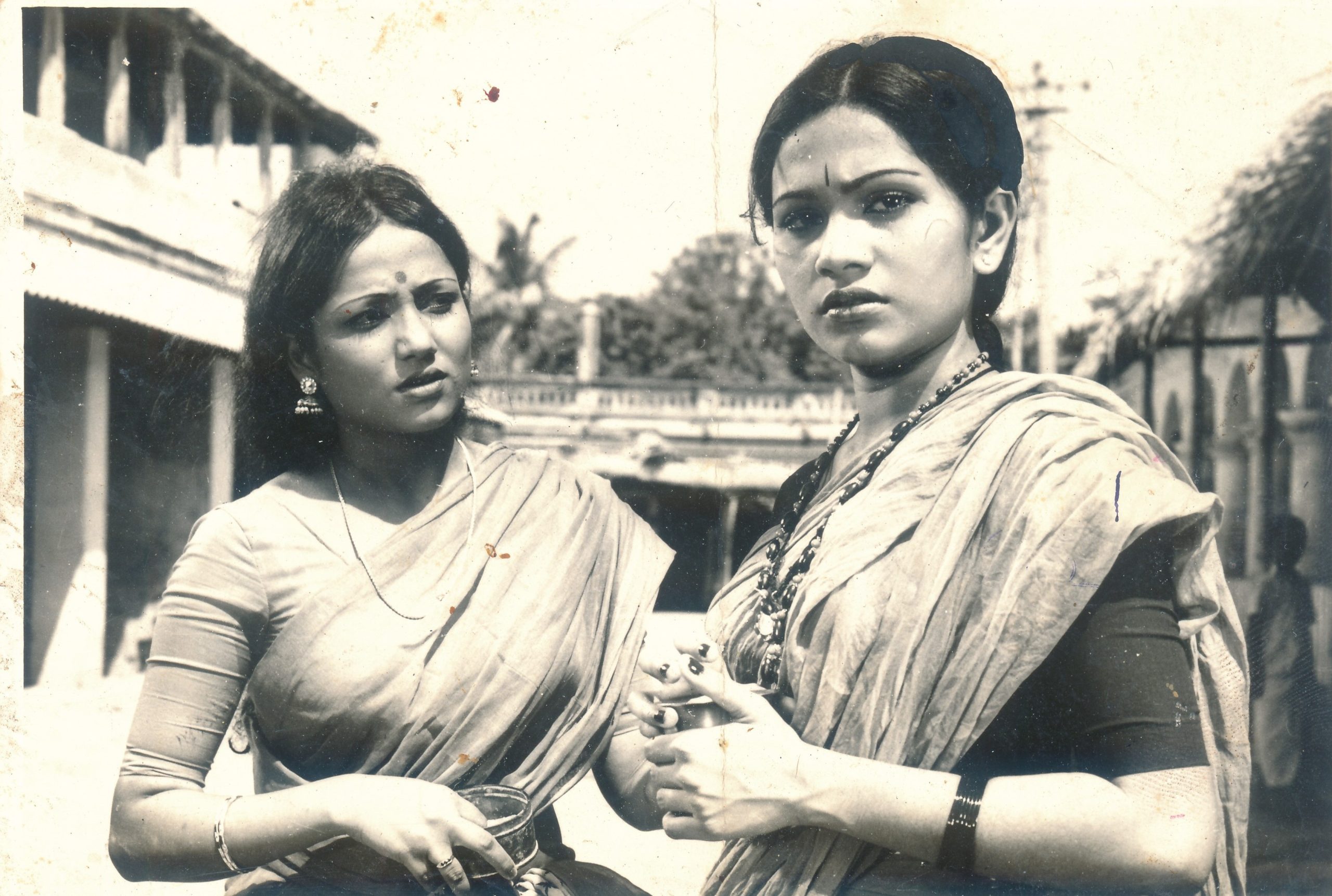
Oru Manithan Oru Manaivi in 1986, directed by Durai, starring Sumithra and Ashok, is about a wife who goes to great lengths to reform her lazy husband; even as she sacrifices herself in the process, her efforts ultimately lead to his redemption. Durai once again turned his camera toward the struggles of ordinary people, this time focusing on the plight of women trapped in oppressive marriages. With Oru Manithan Oru Manaivi, he created a moving tale about a hardworking woman’s (carrying the food basket) sacrifice in her attempt to reform her irresponsible husband. In 1986, Durai scripted the Telugu movie Samaajamlo Sthree, which was directed by Mukkamala Ramakrishna. The film, featuring Vijayashanti and Suman, explores the exploitation of women in society. Notably actor R. Sarathkumar made his acting debut in this movie as a villain.

Full width sample image
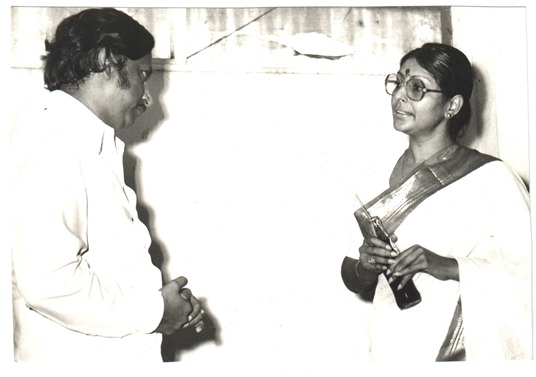
Durai with Vijayashanti
Full width sample image
During the inaugural ceremony of 'Veerapandian'

In 1987, he produced and scripted the movie Veerapandian, directed by Karthick Raghunath. The movie was a commercial genre and a significant project, as it was the only movie to feature the two prominent stars Sivaji Ganesan and Vijayakanth together. In 1988, Durai produced and directed Palavanathil Pattam Poochi, a commercial film with a story of animals avenging a villain. Demonstrating his clear understanding of the Malayalam audience, he also produced and directed his third film for them. A remake of his earlier work Oru Manithan Oru Manaivi, the film was released in 1990 under the title Pudhiya Adhyaayam, starring Sumithra and Nedumudi Venu. In 1991, he scripted the film Onnum Theriyatha Papa, starring Anand Babu, Raja, Nizhagal Ravi, and Silk Smitha in the lead role, directed by one of his assistants, G.B. Thambidurai.

Full width sample image
Durai as an entrepreneur

After a prolific and successful career in filmmaking, Durai stepped away from making movies as cinematic trends began to evolve. He then embarked on a new journey, channelling his creative energy into entrepreneurship by establishing a thriving fast-food restaurant and ice cream parlour. His passion for creation, once expressed through cinema, found new life in these ventures. Further expanding his horizons, he built and managed a marriage hall, aptly named Kalaimamani Durai Thirumana Maaligai, leaving yet another lasting imprint beyond the world of films
In 1996, Durai’s stature as a filmmaker was further recognized when he was appointed to the Tamil Nadu State Government Awards Panel, where he served as a member for four consecutive years, contributing his insights and experience to honour excellence in Tamil cinema. He was also invited by the Tamil Nadu Film and Television Institute to serve as a member of the External Experts Committee, which selected students’ films for national and international festivals.

Full width sample image
Filming Moment of short film 'Pothum Unga Ubagaram'

 In 2004, Durai took up his post as vice-president of the Tamil Nadu Directors Association; a position he held for two years. In 2004, Doordarshan (India’s Television broadcasting) extended an invitation to a handful of acclaimed filmmakers to adapt stories by celebrated writers into short films. Durai was chosen among them, and he directed Pothum Unga Ubagaram, written by Su. Samuthiram. The project highlighted his ability to carry his storytelling skill seamlessly into the short film format, reinforcing his stature as a director of substance.

In 2006, he served as a counselling member for a year in the selection panel for candidates at the MGR Film and Television Training Institute, guiding the next generation of cinema aspirants with his seasoned perspective.

Full width sample image
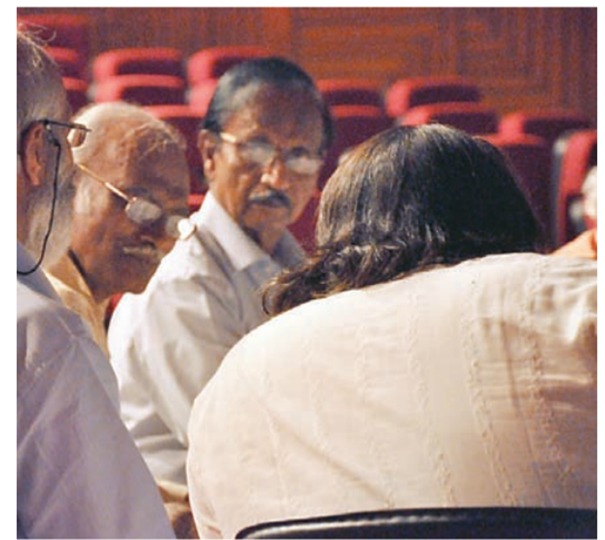
Durai as a National award panel member

In a notable chapter of his career, Durai had the distinction of serving as a member of the jury for the prestigious National Film Awards for three consecutive years. Among these, his participation in the jury for the 58th National Film Awards in 2011 stands out as a particularly memorable moment. That year proved to be historic for Tamil cinema, which went on to secure an impressive 14 national awards across various categories. Durai’s role on the jury during such a landmark year further underscored his contribution to Indian cinema—not just as a filmmaker, but also as a discerning voice entrusted with recognizing excellence at the national level.

Emerging from Tamil cinema in the mid-1970s, Durai has become synonymous with socially conscious filmmaking, boldly exploring themes of woman exploitation, caste system, poverty, injustice, and human relationships with striking realism. Since his breakthrough with Avalum Penn Thane (1975), which was his first released movie, Durai has consistently pushed the boundaries of mainstream Tamil cinema by blending hard-hitting social critique with emotional depth. Over the years, his films have demonstrated his commitment to portraying marginalized voices, questioning societal norms, and experimental themes, making him a filmmaker of conscience, conviction, and craft.


First credited sound assistant

Durai’s early years were shaped by hands-on learning—working as an apprentice at Revathy Recording Theatre with sound engineer T. S. Rangaswamy. His early stint as an assistant cameraman, and his training in editing under V. S. Rajan built a solid foundation for his craft. Durai’s first taste of recognition came when his name, credited as J.F.C. Durai, appeared on screen for the sound recording assistance in Anarkali (starring Nageswara Rao and Anjali Devi). With pride, he gathered friends and family to witness it, marking the beginning of a journey that would later establish him as a distinguished writer, director, and producer in Indian cinema.

Early years as an assistant
in Kannada movies

It was during this formative period that destiny brought Durai face-to-face with Kannada actor Kalyan Kumar, who was captivated by the stories Durai narrated. The young Durai, armed only with his passion and an instinct for storytelling, would often narrate the stories that burned within him. Recognizing his potential, Kalyan Kumar introduced him to the legendary ‘Kannada Bhishma’ G.V. Iyer. Under Iyer’s mentorship, Durai began his journey as an assistant director. His first assignment was on the Kannada film ‘Bangari’, where he immersed himself in the rhythms of filmmaking—watching, learning, and absorbing everynuance of craft—an experience that further refined his cinematic vision.


Durai as a villain
in a Kannada movie

As an assistant director under G.V. Iyer, was a period of invaluable exposure, granting Durai to work alongside some of the biggest names in Kannada cinema during the late 1960s, including Dr. Rajkumar, Kalyan Kumar, and Udaykumar. Durai’s creative spark, however, could not remain behind the scenes for long, as the experiencequickly translated into his major writing credit. In 1968, he penned the story for Kannada superstar Rajkumar’s landmark 100th Film Bhagyada Bagilu – Door of fortune.

The film’s story was widely lauded, earning significant appreciation from both the press and the publicBeyond his work with G.V. Iyer, Durai expanded his career by collaborating with other leading Kannada directors over the course of more than 10 years. His extensive list of professional associations included renowned names such as Puttanna Kanagal, Geethapriya, and Arasu Kumar. Interestingly, while serving as an assistant director, Durai even stepped in front of the camera, taking on a villain’s role in one Kannada film – an art he had once dreamed of and which initially inspired him to join the film industry.

A few of his stories have been adapted and filmed in Kannada as well. Some of his works as a story writer during this period include Miss Bangalore (1967), Anna Thamma (1968). His reputation as a sharp storyteller eventually reached across state borders. Recognizing his talent, the veteran actress Pandaribai and her husband, Ramarao, took notice of his potential. It was through their crucial introduction and endorsement that Durai made his significant entry into the highly competitive Tamil Film Industry
During the inaugural ceremony

of ‘Avalum Penn Thane’
Durai’s long-awaited entry into the Tamil film industry finally arrived in 1974 with Avalum Penn Thane, a film he both wrote and directed. The story was a tragic portrayal of an orphaned woman rescued from a vice den, who ultimately takes her own life, unwilling to sacrifice her dignity or burden the man who offered her redemption. The film immediately attracted critical attention as one of the stronger mid-70s commercial works engaging with the feminist movement. Durai, making his directorial debut, earned praise for his sharp handling of a purposeful story—underscore the harsh realities that trap women into prostitution. The film’s success, applauded by both the press and the public, was not merely a breakthrough, but a major turning point that firmly established his reputation as a filmmaker committed to challenging social narratives.

Durai redefined the feminist movement in Tamil cinema by consistently creating a distinctive formula around strong, expressive female characters. This theme, with strong female-centric narratives, became a defining hallmark of his filmmaking, evident in films such as Oru Kudumbathin Kathai (1975), Mugiyade Kathe (1975), Maathangalil Aval Marghazhi (1976), Aasai Arubathu
On the sets of

‘Oru Kudumbathin Kathai’

Naal (1976), Aval Thantha Uravu (1978). Each of these films portrayed women as central figures navigating social and familial challenges, often questioning traditional customs. Notably, the Kannada film Mugiyada Kathe (1975) starring Rajesh and Sumitra as lead, was a remake of his debut Tamil film, Avalum Penn Thane, solidifying his reputation as a director in the Kannada film industry.

In Oru Kudumbathin Kathai, he portrayed how money dictates relationships, and how poverty pushes women into painful circumstances, making viewers question the fragility of family bonds. The film Aasai Arubathu Naal was consciously built on “four interwoven story threads”, indicating a complex, non-linear dramatic approach.
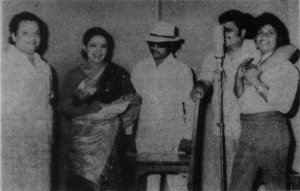
During song recording of
‘Paavathin Sambalam’


In 1977, Durai directed
Raghupathi Raghavan Rajaram and in 1978, Paavathin Sambalam which saw Rajinikanth (later hailed as the ‘Superstar’) making notable guest roles in both movies. The way Durai introduced the characters in the film Raghupathi Raghavan Rajaram was highlighted as particularly effective and earned significant praise for his ability to handle the story with speed and style, keeping the audience engaged without sacrificing clarity. Paavathin Sambalam is a dramatic film that explores the devastating ripple effects of sin where Rajinikanth appears in a guest role as a writer who is documenting the female lead’s sorrowful story.

The year 1978 was particularly significant for their collaboration, as Durai cast the superstar in lead roles for two more films Sadurangam, a role he played as an innocent man and in Aayiram Jenmangal, a horror film adapted from the Malayalam movie Yakshaganam. Notably, Sadhurangam’s story and dialogues were penned by Visu. A defining aspect of Sadhurangam lies in its portrayal of strong female characters—a rarity in Tamil cinema of that era.

 The film weaves together romance, drama, and social commentary into an engaging narrative.
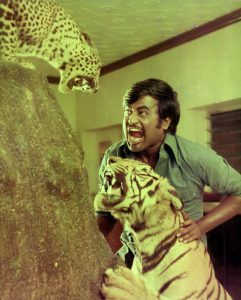
Still from
‘Aayiram Jenmangal’


The lead performances stand out, particularly that of Rajinikanth, who, though still in the early stages of his career, delivered a commendable act.
When Durai took on Aayiram Jenmangal in 1978, he was not content to merely repeat what had already been done in the supernatural genre. Having seen Sheela’s Yatchakanam, which covered similar territory, Durai boldly chose to tread a different path. His vision was not just to create suspense and thrills, but to use the story as a canvas to explore faith, morality, and the eternal conflict between the human spirit and divine will. One of the most remarkable choices Durai made was in his casting. At the time, Rajinikanth had built his reputation almost entirely on playing menacing villains. Defying industry convention, Durai entrusted him with a character role that demanded subtlety and emotional range. The climax of Aayiram Jenmangal further set the film apart. Where Yatchakanam ended on a darker note, Durai shaped a conclusion that affirmed the supremacy of divine power over wandering spirits.
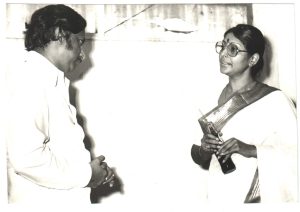
Durai with actress Sarada


Aval Thantha Uravu in 1978 featured Sarada (Urvasi Sarada) and R. Muthuraman in the lead roles. Impressed by Durai’s work in the movie, actress Sarada recommended him for a Telugu project, which led to his directorial debut in the Telugu film industry with Priyabhandhavi in 1979. In Aval Thantha Uravu, the story revolves around the emotional dynamics and relationship (maternal bond) that Sarada offers to her sister-in-law, rather than just the husband-wife relationship. It unfolds an emotional domestic drama exploring family affection, trust, and the delicate boundaries of relationships within a household.Durai handled a very difficult and sensitive subject with remarkable care in Oru Veedu Oru Ulagam (1978), a story penned by his wife G. Lalitha. The film projected the changing values of life in modern times, directly challenging caste barriers and orthodox traditions. Durai has presented this story with Shoba and Srikanth playing the principal characters with an impressive frame of poignancy. The film later emerged as one of his finest works, marking a milestone in Tamil cinema. Boldly ahead of its time, the film critiqued rigid caste hierarchies while also advocating for women’s rights to education and remarriage. While remarriage had been advocated in several films, Durai presented the theme with radical new layers. He boldly depicted a widow’s remarriage being personally initiated and presided over by her own father-in-law. Beyond the thematic daring, Oru Veedu Oru Ulagam stands as a testament to Durai’s efficiency and dedication to cinematic realism. He shot the entire film in a staggering fifteen days, capturing
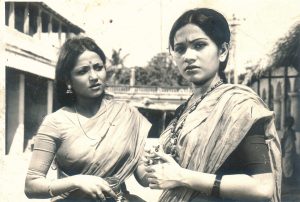
A still from
‘Oru Veedu Oru Ulagam’


the entire narrative in a “single breath.” The production was conducted entirely on exterior locations, avoiding traditional sets. To achieve this raw, immediate feel, Durai implemented a “no-frills” approach: none of the actors wore makeup, and the crew abstained from using cumbersome equipment like trolleys, tracks, or excessive lighting gear—a daring move that focused purely on performance and the authenticity of the setting. The film utilized the natural beauty of locations near Thanjavur, including Thirukkattupalli, Palamaaneri, and Poondi.

Durai’s strength as a storyteller lay in his willingness to expose the stark realities of life without compromise. This powerful and direct approach to filmmaking, coupled with his reputation for delivering profitable films on a tight schedule, turned him into one of the most sought-after directors of the late 1970s. This efficiency resulted in him directing as many as seven to eight movies in the year 1979 alone.

Kadamai Nenjam in 1979 featuring Jaishankar and Srividya centers on a forest ranger whose life spirals into chaos when his personal and professional worlds collide. Kadamai Nenjam holds the unique distinction of being Director Durai’s absolute first venture as a director, even though the film was released later in his career. Despite its delayed release, the film was noted for its enduring relevance and engaging quality, demonstrating that even Durai’s earliest directorial efforts possessed the kind of compelling storytelling that would mark his later career.
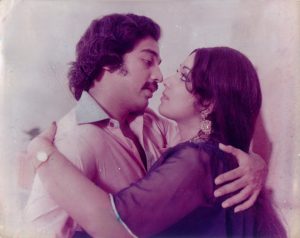


A still from ‘Neeya’

Neeya? 1979 (remake of Nagin, Hindi), another horror film more of a supernatural thriller starring Kamal Haasan and Sripriya in the lead roles, is about an ‘Ichchhadhari’ Snake (a shape-shifting female serpent) that avenges the death of its beloved male serpent. Durai demonstrated exceptional logistical and creative mastery by directing Neeya?—a colossal multi-starrer featuring a massive ‘star brigade’ of actors, a feat considered nearly impossible in an era where major stars were already busy for their tight, fragmented schedules. The film’s producers were commended for their audacious effort, and Durai managed to successfully coordinate and direct this unprecedented collaborative cast. Critics praised his staging, noting how even potential flaws in the story were overshadowed by the excitement of his execution. The movie was a huge hit at the box office.

In 1979, Durai started making commercial films with sentimental themes due to the practical compulsion to meet life’s demands. He realized he had to make commercially viable films that could still communicate impactful messages. His prolific output that year included films such as Needhikku Mun Neeya? Naana?, Paathai Maarinaal, Malligai Mohini, Priyabhandhavi.

With Paathai Maarinal, Durai tackled a complex and morally ambiguous theme: the simultaneous transformation and reversal of two contrasting cricket players—one a pleasure seeker driven by physical desire, the other a devotee seeking spiritual salvation. He skilfully utilized real-life cricket stars like Viswanath, Venkat, and Kirmani in the film, blending authentic sporting appeal into the narrative.

In Malligai Mohini, Durai demonstrated a significant shift in subject matter, taking a different path from conventional cinema. The film was praised for its unique concept, centering on the confusion that arises when a living man gains the memory and consciousness of his previous life. The plot, authored by Nathan, was novel for Tamil film audiences at the time. Durai’s courage extended beyond the story. Rather than banking on familiar stars, he introduced two newcomers—students from the Pune Film Institute—giving them a platform to perform. Visually too, Durai collaborated with celebrated cinematographer Ishan Arya, who captured the beauty of Goa in dazzling detail.

As the year 1979 drew to a close, Durai reached a new level of success with the release of Pasi, a film that went on to become a landmark in Tamil cinema. The film, which presented the realistic portrayal of the plight of slum dwellers running on daily wages, was the winner of 2 National Film awards in 1979—Best Feature Film in Tamil and Best Actress—and secured multiple honors at the Tamil Nadu State Film Awards and the Filmfare Awards South. Determined to make Pasi without compromise, Durai declared that he would not bow to distributor pressures of including formulaic songs, dances, or fight sequences. Instead, he chose raw authenticity—no makeup for his cast, no glamour, just real people and their struggles. Most of the film was shot on the streets and in the slums of Chennai, with remarkable cooperation from the local communities. In 1980 the movie was also screened at the Tashkent Film Festival (Soviet Union) and was equally successful at the box office. Durai’s commitment to raw, socially resonant narratives paid off not only critically but commercially, achieving significant success abroad. Pasi became a box office phenomenon in both Singapore and Malaysia, where it ran successfully for over 50 days. Notably, the movie set a new standard for collections in that region, reportedly becoming the highest-grossing film after the mega-hit, Ulagam Sutrum Valiban.

Durai has always had an eye for discovering fresh talent, something that contributes to the success of his films. He continued his success formula with female-centric characters in films like Pennukku Yaar Kaaval? (1980), Thanimaram (1980), Porkkalam (1980), Oli Pirandhadhu (1980). Though these movies did not create waves at the box office, these films stand out for their courageous experimental themes.

Pennukku Yaar Kaaval? was the Tamil remake of the widely acclaimed Telugu play and film ‘Chillara Kottu Chittamma’, which had enjoyed a remarkable run of over 225 days and gained a reputation as a famous play throughout Andhra Pradesh. The project was entrusted to Durai by producer R. S. Raju, who was impressed by his ability to shoot with remarkable speed and efficiency. For this adaptation, Durai cast Jayachitra in the lead, encouraging her to appear naturally without heavy makeup, which brought authenticity to her performance. Interestingly, the role had once been sought after by Jayachitra’s mother, Jayasree, during the play’s early years, making the casting even more significant.

Thanimaram was about a poor woman who lives her life with dignity, like a fire, amidst the men who desire her beauty. Durai, was praised for his beautiful portrayal of the main characters, Vijayan and Sathyakala, and for maintaining the integrity of their personalities. Acclaimed as a filmmaker on par with the legendary K.P. Kottarakkara (Pasamalar), Durai’s collaboration with him on Thanimaram was a highly anticipated event, cementing his reputation as a director of profound and moving storytelling. 

In Oli Piranthathu, Durai crafted a unique protagonist (played by Vijayan)—a car driver whose life revolved around transporting corpses, falls in love with a Kalyani (played by Menaka), who comes to stay in his neighbourhood. But his dream shatters when he comes to know that she is already married to an old man. The story was scripted by Vijayan and Produced & directed by Durai. Porkkalam starring Vijayan, M.G.C. Sugumar and Sathyakala is a depiction of rural power dynamics, showing the harsh realities of corruption. Despite the film’s uneven reception, Porkkalam reaffirmed Durai’s fearless engagement with uncomfortable social themes.

With Aval Oru Kaviyam released in 1981, Durai once again demonstrated his boldness in addressing sensitive and taboo subjects within Tamil cinema. The film tells the poignant story of a compassionate woman (played by Savitri) who runs a charitable trust, and the haunting revelations that surface when her son marries Vani, one of the beneficiaries of the trust. Both women are bound by the scars of past sexual violence, and Durai’s sensitive handling of such a layered narrative brought depth and dignity to a theme rarely explored on screen at the time. The film is remembered for its emotional intensity, strong female characterizations, and its fearless social commentary.

Mayil in 1981 starring Rajesh and Roopa was a unique film that Durai wrote, scripted, and directed, is a story centering the lives of road construction workers. The protagonist, Mayil, is portrayed as a unique woman who struggles to arrange a wedding for her mother and even claims her mother’s child as her own to protect her reputation. 

Durai directed Vadagai Veedu in 1981 starring Vijayan, Sathyakala and Suman, is a drama of redemption, loss, and an unusual emotional bond between two broken lives.
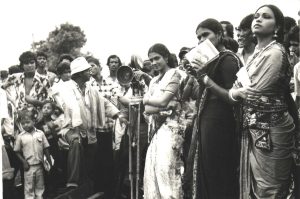


Durai with director
S.A Chandrasekar

Durai, often regarded as a filmmaker focused solely on social themes, silenced his critics with the release of Kilinjalgal – a romantic film released in 1981, achieved monumental success despite its seemingly familiar love story. Its appeal lay in its understated realism and emotional depth. Durai masterfully depicted the profundity of love in a way that could stir the stony hearts of parents who oppose love marriages. The film was conceived as a bilingual, shot simultaneously in both Tamil and Malayalam on the advice of filmmaker Sethumadhavan. The Malayalam version, released in 1982 as Ruby My Darling, retained the main leads while featuring a slightly different supporting cast

Durai co-produced Om Sakthi in 1982, directed by S.A. Chandrasekhar, backing bold ideas like casting a trained rooster in a notable role.
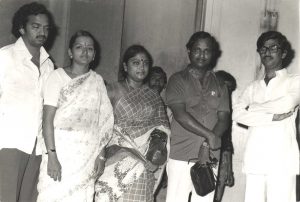
Durai with director
S.A Chandrasekar


The bird was from Andhra Pradesh and underwent extensive training to perform its role. Om Sakthi, starring Vijayakanth and Menaka, was shot in a Kali Temple never before featured in a Tamil film at the time. With Nalandhaanaa in1982 starring Prabu and Menaka, Durai demonstrated a nuanced understanding of directing psychological drama aimed squarely at the female audience. The film’s plot hinges on a suspenseful secret: concealing the tragic death of a groom from his bride, to allow her to die peacefully believing she is still a married woman. Durai was praised for his ability to craft this suspenseful narrative around the central shock, concluding the story with a powerful, cinematic finish.

In the same year Durai produced, scripted and directed Thunai starring legendary Sivaji Ganesan (Nadigar Thilagam). The central theme of Thunai was the very idea of “companionship” — not just a life partner, but the many kinds of support one seeks and receives at different stages of life. Critics noted that Sivaji’s portrayal was measured and moving, with many seeing Thunai as an indication of the kinds of character roles that would carry him successfully into the next phase of his career. Thunai stood out as a wholesome family drama that could be watched across generations. For Durai, it was another important chapter in his journey of portraying family values, companionship, and emotional truths on screen with sincerity.

Durai’s practice of making bilingual films continued in 1982 with the movie Punitha Malar, which was an emotional love story. Yet another film with a strong portrayal of female characters. The film starring Shankar and Poornima was shot simultaneously in Tamil and Malayalam. The Malayalam version, released in 1982, is Velicham Vitharunna Penkutty. Durai, who made history in Malayalam cinema with Ruby My Darling, has once again prepared a great artistic feast with Velicham Vitharunna Penkutty for Malayalis.

Following the success of Kilinjalgal, Durai was approached by producers in Mumbai to remake the film in Hindi. This opportunity led to his entry into the Hindi film industry. In 1983, he directed the Hindi remake, Do Gulab, starring Kunaal Goswami (Manoj Kumar’s son) and Maneesha Kohli, which proved to be a great success. In1984, Durai continued his work in the Hindi film industry with the release of Pet Pyar Aur Paap. The project came about when actors Smita Patil and Raj Babbar, after watching his original Tamil film Pasi, were so impressed by the story and its making that they approached Durai to direct the Hindi remake.The movie, which featured a cast of leading actors from the Hindi film industry, was well received by audiences and was considered a rare phenomenon at the time.

In 1985, Durai produced, scripted and directed Veli is a bold social drama that examines the destructive power of suspicion within marriage and society. The film directly confronted the deeply ingrained societal double standard where a man’s flaws are often overlooked, but a woman’s character is continuously scrutinized and doubted—even by her own husband. With Veli, Durai continues his tradition of socially conscious storytelling, striking a chord especially with women audiences. The film featured Rajesh in the lead role, delivering a performance that powerfully captured the nuances of a man consumed by doubt and suspicion. Opposite him, Saritha brought depth and emotional intensity to her role. One of the notable highlights of movie was the presence of Sathyaraj in a villainous role.

Oru Manithan Oru Manaivi in 1986, directed by Durai, starring Sumithra and Ashok, is about a wife who goes to great lengths to reform her lazy husband; even as she sacrifices herself in the process, her efforts ultimately lead to his redemption. Durai once again turned his camera toward the struggles of ordinary people, this time focusing on the plight of women trapped in oppressive marriages. With Oru Manithan Oru Manaivi, he created a moving tale about a hardworking woman’s (carrying the food basket) sacrifice in her attempt to reform her irresponsible husband. In 1986, Durai scripted the Telugu movie Samaajamlo Sthree, which was directed by Mukkamala Ramakrishna. The film, featuring Vijayashanti and Suman, explores the exploitation of women in society. Notably actor R. Sarathkumar made his acting debut in this movie as a villain.

In 1987, he produced and scripted the movie Veerapandian, directed by Karthick Raghunath. The movie was a commercial genre and a significant project, as it was the only movie to feature the two prominent stars Sivaji Ganesan and Vijayakanth together. In 1988, Durai produced and directed Palavanathil Pattam Poochi, a commercial film with a story of animals avenging a villain. Demonstrating his clear understanding of the Malayalam audience, he also produced and directed his third film for them. A remake of his earlier work Oru Manithan Oru Manaivi, the film was released in 1990 under the title Pudhiya Adhyaayam, starring Sumithra and Nedumudi Venu. In 1991, he scripted the film Onnum Theriyatha Papa, starring Anand Babu, Raja, Nizhagal Ravi, and Silk Smitha in the lead role, directed by one of his assistants, G.B. Thambidurai.
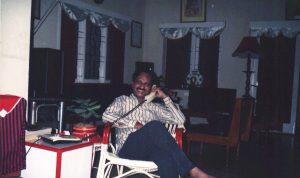


Durai as an
entrepreneur

After a prolific and successful career in filmmaking, Durai stepped away from making movies as cinematic trends began to evolve. He then embarked on a new journey, channelling his creative energy into entrepreneurship by establishing a thriving fast-food restaurant and ice cream parlour. His passion for creation, once expressed through cinema, found new life in these ventures. Further expanding his horizons, he built and managed a marriage hall, aptly named Kalaimamani Durai Thirumana Maaligai, leaving yet another lasting imprint beyond the world of films.

In 1996, Durai’s stature as a filmmaker was further recognized when he was appointed to the Tamil Nadu State Government Awards Panel, where he served as a member for four consecutive years, contributing his insights and experience to honour excellence in Tamil cinema. He was also invited by the Tamil Nadu Film and Television Institute to serve as a member of the External Experts Committee, which selected students’ films for national and international festivals. In 2004, Durai took up his post as vice-president of the Tamil Nadu Directors Association; a position he held for two years.

In 2004, Doordarshan (India’s Television broadcasting) extended an invitation to a handful of acclaimed filmmakers to adapt stories by celebrated writers into short films. Durai was chosen among them, and he directed Pothum Unga Ubagaram, written by Su. Samuthiram. The project highlighted his ability to carry his storytelling skill seamlessly into the short film format, reinforcing his stature as a director of substance.

In 2006, he served as a counselling member for a year in the selection panel for candidates at the MGR Film and Television Training Institute, guiding the next generation of cinema aspirants with his seasoned perspective.
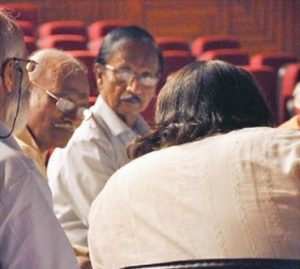


Durai as a
National award panel member

In a notable chapter of his career, Durai had the distinction of serving as a member of the jury for the prestigious National Film Awards for three consecutive years. Among these, his participation in the jury for the 58th National Film Awards in 2011 stands out as a particularly memorable moment. That year proved to be historic for Tamil cinema, which went on to secure an impressive 14 national awards across various categories. Durai’s role on the jury during such a landmark year further underscored his contribution to Indian cinema—not just as a filmmaker, but also as a discerning voice entrusted with recognizing excellence at the national level.

Emerging from Tamil cinema in the mid-1970s, Durai has become synonymous with socially conscious filmmaking, boldly exploring themes of woman exploitation, caste system, poverty, injustice, and human relationships with striking realism. Since his breakthrough with Avalum Penn Thane (1975), which was his first released movie, Durai has consistently pushed the boundaries of mainstream Tamil cinema by blending hard-hitting social critique with emotional depth. Over the years, his films have demonstrated his commitment to portraying marginalized voices, questioning societal norms, and experimental themes, making him a filmmaker of conscience, conviction, and craft.


Bhagyada Bagilu

As an assistant director under G.V. Iyer, Durai had opportunities to work with reputed Kannada film stars such as Dr. Rajkumar, Kalyan Kumar, Udaykumar in the late 60’s. In 1968, he penned the story for Kannada superstar Rajkumar’s 100th Film (“Bhagyada Bagilu” – Door of fortune) that was greatly appreciated by the press and public.
Beyond his work with G.V. Iyer, Durai also collaborated with other leading Kannada directors, including Puttanna Kanagal, Geethapriya, and Arasu Kumar, for more than 10 years. Interestingly, he also took on a villain’s role in one Kannada film while serving as an assistant director.
A few of his stories have been filmed in Kannada as well. Some of his works as a story writer include “Miss Bangalore (1967)”, “Anna Thamma (1968)”. Recognizing his talent, he was introduced to the Tamil Film Industry through Pandaribai and her husband Ramarao

Avalum Penn Thane

Durai’s first venture into the Tamil film industry came in 1974 with Avalum Penn Thane, a film he both wrote and directed. The story was a tragic portrayal of an orphaned woman rescued from a vice den, who ultimately takes her own life, unwilling to sacrifice her dignity or burden the man who offered her redemption. The film attracted critical attention as one of the stronger mid-70s commercial works engaging with the feminist movement. Durai, making his directorial debut, earned praise for his sharp handling of a purposeful story—underscore the harsh realities that trap women into prostitution. The film’s success, applauded by both press and public, marked a major turning point in his filmmaking career.

Lorem ipsum dolor sit amet, consectetur adipiscing elit. Ut elit tellus, luctus nec ullamcorper mattis, pulvinar dapibus leo.

Durai redefined the feminist movement in Tamil cinema by consistently creating a distinctive formula around strong, expressive female characters. This theme, with strong female-centric narratives, became a defining hallmark of his filmmaking, evident in films such as Oru Kudumbathin Kathai (1975), Mugiyade Kathe (1975), Maathangalil Aval Marghazhi (1976), Aasai Arubathu Naal (1976), Aval Thantha Uravu (1978). Each of these films portrayed women as central figures navigating social and familial challenges, often questioning traditional structures. Notably, the Kannada film Mugiyada Kathe (1975) starring Rajesh and Sumitra as lead, was a remake of his debut Tamil film, Avalum Penn Thane

In 1977, Durai directed Raghupathi Raghava Rajaram and in 1978, Paavathin Sambalam which saw Rajinikanth (later hailed as the “Superstar”) making notable guest roles in both movies. The year 1978 was particularly significant for their collaboration, as Durai cast the superstar in lead roles for two more films Sadhurangam, a role he played as an innocent man and in Aayiram Jenmangal, a horror film adapted from the Malayalam movie Yakshaganam. Notably, Sadhurangam’s story and dialogues were penned by Visu.A defining aspect of Sadhurangam lies in its portrayal of strong female characters—a rarity in Tamil cinema of that era. The film weaves together romance, drama, and social commentary into an engaging narrative. The lead performances stand out, particularly that of Rajinikanth, who, though still in the early stages of his career, delivered a commendable act.

Aval Thantha Uravu

Aval Thantha Uravu in 1978 featured Sarada and Muthuraman in the lead roles. Impressed by Durai’s work in the movie, actress Sarada recommended him for a Telugu project, which led to his directorial debut in the Telugu film industry with Priya Bandhavi in 1979.

Oru Veedu Oru Ulagam

Durai handled a very difficult and sensitive subject with care, a story penned by G.Lalitha his wife, to project the changing values of life in modern times beating the bush of caste in ‘Oru Veedu Oru Ulagam’ (1978). This later turned out to be one of his best movies gaining a special milestone then, in Tamil cinema. The film boldly critiques rigid caste hierarchies and orthodox norms—even advocating for women’s right to education and remarriage.

Durai handled a very difficult and sensitive subject with remarkable care in Oru Veedu Oru Ulagam (1978), a story penned by his wife G. Lalitha. The film projected the changing values of life in modern times, directly challenging caste barriers and orthodox traditions. Durai has presented this story with Shoba and Srikanth playing the principal

Kadamai Nenjam

Kadamai Nenjam in 1979 featuring Jaishankar and Srividya centers on a forest ranger whose life spirals into chaos when his personal and professional worlds collide.

Durai’s strength as a storyteller lay in his willingness to expose the stark realities of life without compromise. This powerful and direct approach to filmmaking, coupled with his reputation for delivering profitable films on a tight schedule, turned him into one of the most sought-after directors of the late 1970s. This efficiency resulted in him directing as many as seven to eight movies in the year 1979 alone.

Needhikku Mun Neeya?

Neeya? 1979 (remake of Nagin, Hindi), another horror film more of  a supernatural thriller starring Kamal Haasan and Sripriya in the lead roles, is about an ‘Ichchhadhari’ Snake (a shape-shifting female serpent) that avenges the death of its beloved male serpent. The movie was a huge hit at the box office. In 1979, Durai started making commercial films with sentimental themes due to the practical compulsion to meet life’s demands. He realized he had to make commercially viable films that could still communicate impactful messages. His prolific output that year included films such as Needhikku Mun Neeya? Naana?, Paathai Maarinaal, Malligai Mohini, Priyabandhavi

lose, Durai reached a new level of success with the release of Pasi, a film that went on to become a landmark in

Maria My Darling

Tamil cinema. The film, which presented the realistic portrayal of the plight of slum dwellers running on daily wages, was the winner of 2 National Film awards in 1979—Best Feature Film in Tamil and Best Actress—and secured multiple honors at the Tamil Nadu State Film Awards and the Filmfare Awards South. In 1980 the movie was also screened at the Tashkent Film Festival (Soviet Union) and was equally successful at the box office

In 1980, Kaadu, directed by Durai, told the story of a forest officer, played by Sathaar, who steps into a world ruled not by law but by age-old superstitions. The tribal community living there is bound by rituals and customs that often turn destructive, shaping their lives with fear and blind faith. The story and dialogues were penned by lyricist Alangudi Somu.

Engal Vaathiyar in 1980 is a story of a humble and poor schoolteacher played by Nagesh, who struggles to gather a dowry for his daughter’s marriage to a wealthy landlord’s son, and is pulled into a web of deception and betrayal.The film received TamilNadu state government subsidy as a socially commended film.

Pennukku Yaar Kaaval

Pennukku Yaar Kaaval? was the Tamil remake of the widely acclaimed Telugu play and film ‘Chillara Kottu Chittamma’, which had enjoyed a remarkable run of over 225 days and gained a reputation as a famous play throughout Andhra Pradesh. The project was entrusted to him by producer R. S. Raju, who was impressed by

Durai’s ability to shoot with remarkable speed and efficiency. For this adaptation, Durai cast Jayachitra in the lead, encouraging her to appear naturally without heavy makeup, which brought authenticity to her performance. Interestingly, the role had once been sought after by Jayachitra’s mother, Jayasree, during the play’s early years, making the casting even more significant

Thanimaram was about a poor woman who lives her life with dignity, like a fire, amidst the men who desire her beauty. Durai, was praised for his beautiful portrayal of the main characters, Vijayan and Sathyakala, and for maintaining the integrity of their personalities. Acclaimed as a filmmaker on par with the legendary K.P. Kottarakkara (Pasamalar), Durai’s collaboration with him on Thanimaram was a highly anticipated event, cementing his reputation as a director of profound and moving storytelling.

Mayil

Mayil in 1981 starring Rajesh and Roopa was a unique film that Durai wrote, scripted, and directed, which tells a story centering the lives of road construction workers.

Kilinjalgal, a romantic film released in 1981, achieved monumental success despite its seemingly familiar love story. Its appeal lay in its understated realism and emotional depth.Durai masterfully depicted the profundity of love in a way that could stir the stony hearts of parents who oppose love marriages. The film was conceived as a bilingual, shot simultaneously in both Tamil and Malayalam on the advice of filmmaker Sethumadhavan. The Malayalam version, released in 1982 as Ruby My Darling, retained the main leads while featuring a slightly different supporting cast.

Om Sakthi

Durai co-produced Om Sakthi in 1982, directed by S.A. Chandrasekhar, backing bold ideas like casting a trained rooster in a notable role. Nalanthaanaa in 1982 starring Prabu and Menaka, directed by Durai was a poignant tale of love, sacrifice, and fate, where a woman embraces death with the pride of eternal marriage.

In the same year Durai produced, scripted and directed Thunai starring Sivaji Ganesan (Nadigar Thilagam). The movie is a heartfelt tale that explores the many forms of companionship in life — from love and marriage to humor, trust, and unexpected bonds

Punitha Malar

Durai’s practice of making bilingual films continued in 1982 with the movie Punitha Malar, which was an emotional love story. Yet another film with a strong portrayal of female characters. The film starring Shankar and Poornima was shot simultaneously in Tamil and Malayalam. The Malayalam version, released in 1982, is Velicham Vitharunna Penkutty.Durai, who made history in Malayalam cinema with Ruby My Darling, has once again prepared a great artistic feast with Velicham Vitharunna Penkutty for Malayalis.

In 1984, Durai continued his work in the Hindi film industry with the release of Pet Pyar Aur Paap. The project came about when actors Smita Patil and Raj Babbar, after watching his original Tamil film Pasi, were so impressed by the story and its making that they approached Durai to direct the Hindi remake.The movie, which featured a cast of leading actors from the Hindi film industry, was well received by audiences and was considered a rare phenomenon at the time.

Oru Manithan Oru Manaivi

In 1985, Durai produced, scripted and directed Veli is a bold social drama that examines the destructive power of suspicion within marriage and society. With Veli, Durai continues his tradition of socially conscious storytelling, striking a chord especially with women audiences.

Oru Manithan Oru Manaivi in 1986, starring Sumithra and Ashok, is about a wife who goes to great lengths to reform her lazy husband; even as she sacrifices herself in the process, her efforts ultimately lead to his redemption. In 1986, Durai scripted the Telugu movie Samaajamlo Sthree, which was directed by Mukkamala Ramakrishna. The film, featuring Vijayashanti and Suman, explores the exploitation of women in society

In 1987, he produced and scripted the movie Veerapandian, directed by Karthick Raghunath. The movie was a commercial genre and a significant project, as it was the only movie to feature the two prominent stars Sivaji Ganesan and Vijayakanth together.

Palavanathil Pattam Poochi

In 1988, Durai produced and directed Palavanathil Pattam Poochi, a commercial film with a story of animals avenging a villain. Demonstrating his clear understanding of the Malayalam audience, he also produced and directed his third film for them. A remake of his earlier work Oru Manithan Oru Manaivi, the film was released in 1990 under the title Pudhiya Adhyaayam, starring Sumithra and Nedumudi Venu. In 1991, he scripted the film Onnum Theriyatha Papa, which was directed by one of his assistants, G.B. Thambidurai.

After a prolific and successful career in filmmaking, Durai stepped away from making movies as cinematic trends began to evolve. He then embarked on a new journey, channelling his creative energy into entrepreneurship by establishing a thriving fast-food restaurant and ice cream parlour. His passion for creation, once expressed through cinema, found new life in these ventures. Further expanding his horizons, he built and managed a marriage hall, aptly named

Kalaimamani Durai Thirumana Maaligai

In 1996, Durai’s stature as a filmmaker was further recognized when he was appointed to the Tamil Nadu State Government Awards Panel, where he served as a member for four consecutive years, contributing his insights and experience to honour excellence in Tamil cinema. He was also invited by the Tamil Nadu Film and Television Institute to serve as a member of the External Experts Committee, which selected students’ films for national and international festivals.

In 2004, Durai took up his post as vice-president of the Tamil Nadu Directors Association; a position he held for two years.

In 2004, Doordarshan (India’s Television broadcasting) extended an invitation to a handful of acclaimed filmmakers to adapt stories by celebrated writers into short films. Durai was chosen among them, and he directed Pothum Unga Ubagaram, written by Su. Samuthiram. The project highlighted his ability to carry his storytelling craft seamlessly into the short film format, reinforcing his stature as a director of substance.

In a notable chapter of his career, Durai served as a member of the jury for the National Film Awards for three years. This included his role on the jury for the 58th National Film Awards in 2011, a year that was particularly significant for Tamil cinema, which secured 14 national awards.

Emerging from Tamil cinema in the mid-1970s, Durai has become synonymous with socially conscious filmmaking, boldly exploring themes of woman exploitation, caste system, poverty, injustice, and human relationships with striking realism. Since his breakthrough with Avalum Penn Thane (1975), which was his first movie, Durai has consistently pushed the boundaries of mainstream Tamil cinema by blending hard-hitting social critique with emotional depth. Over the years, his films have demonstrated his commitment to portraying marginalized voices, questioning societal norms, and experimental themes, making him a filmmaker of conscience, conviction, and craft.
Scroll to Top